
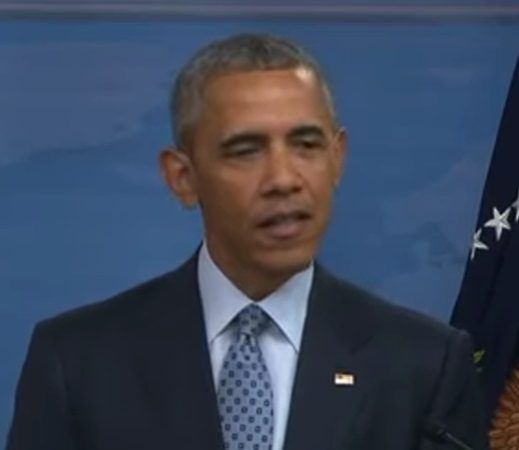
Obama’s comment and the immediate reaction
Former President Barack Obama called the death of protester Alex Pretti a tragedy and urged Americans to see it as a wake up call. That statement landed in the usual place, the social feeds and cable shows, where outrage spreads faster than facts. Saying any unnecessary death is tragic is easy. Making sure the public sees the full picture takes work. Who was there, what happened, and which agencies and rules applied all matter. Rushing to a political headline skips those steps.
What his administration actually did on immigration
Obama left office with a record of large scale removals. Data cited at the time put cumulative deportations during his tenure in the millions, according to public research centers. That earned him a reputation, even among allies, as strict on removals. Policies, budgets, and agency priorities shape enforcement. Those are chosen by presidents and Congress, and officials in charge must answer for how those choices are carried out. Selective memory in the media does not change that chain of responsibility.
Deaths in ICE custody during the Obama years
Reports from that era counted dozens of deaths in Immigration and Customs Enforcement custody. One widely cited review found 56 deaths by early 2016 and raised questions about medical care and oversight. Critics then blamed the agency for poor care. The episode shows a familiar pattern. When a policy is enforced by a favored political side, the outrage is quieter. When enforcement is tied to an unfavored side, the volume goes up. That double standard weakens public trust in all oversight claims.
Why the media and activists pick their fights
Outrage has a political rent to collect, and the press often pays it. Stories that hurt a political opponent get amplification. Stories that hurt allies get lighter treatment. The result is noise that looks like moral clarity but often hides selective memory. Take a social post that noted limited protest against past deportations. It is worth showing, because it highlights how reactions are rarely even handed and mostly tactical.
That tweet is a small reminder that national attention moves with political winds, not always with principle.
How conservatives should respond
Conservatives should press for consistent standards, not just victory headlines. Pointing out past records and asking for full facts is not deflection. It is accountability. Demand transparent investigations, fair media coverage, and honest discussion about the role of law and the choices officials make. Use reasoned skepticism toward bureaucracy, PR teams, and newsroom spin. That keeps the focus on systems and policies, where real change can happen.
WE’D LOVE TO HEAR YOUR THOUGHTS! PLEASE COMMENT BELOW.


Leave a Comment