

NASA’s Moon Mission Gets Serious
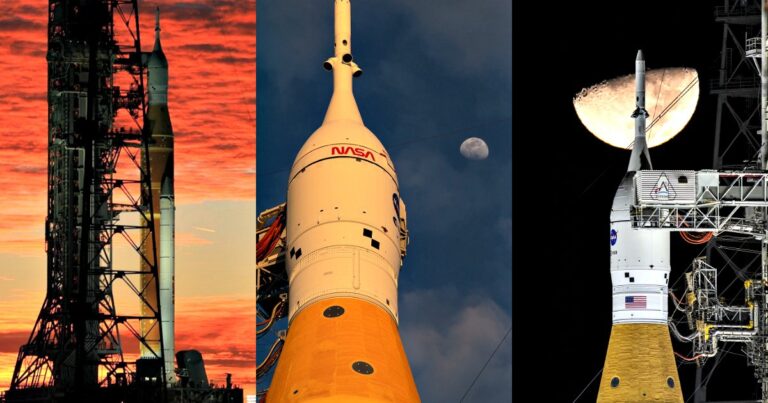
Jared Isaacman used a Sunday TV spot to push a very old idea with a very modern budget: go back to the moon, and do it on schedule. He said Artemis II is slated for April 1, and that the 10-day flight will send three American astronauts and one Canadian astronaut around the moon before bringing them home. He also framed the mission as a test of the spacecraft itself, which is the part where government projects discover whether the words on track mean anything in real life. Isaacman said the goal is not a moon landing yet, but a clean shakedown of the system before later missions try for the surface.
Satellites, Security, And The High Ground
Bartiromo steered the talk toward satellites and national security, and Isaacman answered with the usual space-is-strategy line, only this time with more hardware. He said space is the ultimate high ground, and argued that observation satellites and communications satellites matter for warning, targeting, and command and control. He also pointed to the Space Force, created under President Trump in his first term, as part of the broader push to keep U.S. systems ahead. The logic is simple enough: if everyone wants the sky, the side with better rockets, cheaper launches, and fewer press releases gets the edge.
The Long Road Back To The Moon
Isaacman said the next step after Artemis II is another moon mission in 2027 to test the spacecraft and lunar landers, followed by a planned lunar landing in 2028. If that sounds like a lot of planning for a place humans last visited in 1972, that is because it is. Apollo 17 was the last crewed moon landing, and NASA has spent decades treating the return trip as a mix of science, politics, and paperwork. This time, the agency says the program is meant to build toward a lasting presence, not just a flag-and-footprint rerun. The moon is still there, which is more than can be said for a lot of federal timelines.
WE’D LOVE TO HEAR YOUR THOUGHTS! PLEASE COMMENT BELOW.
Leave a Comment