
What officials say happened
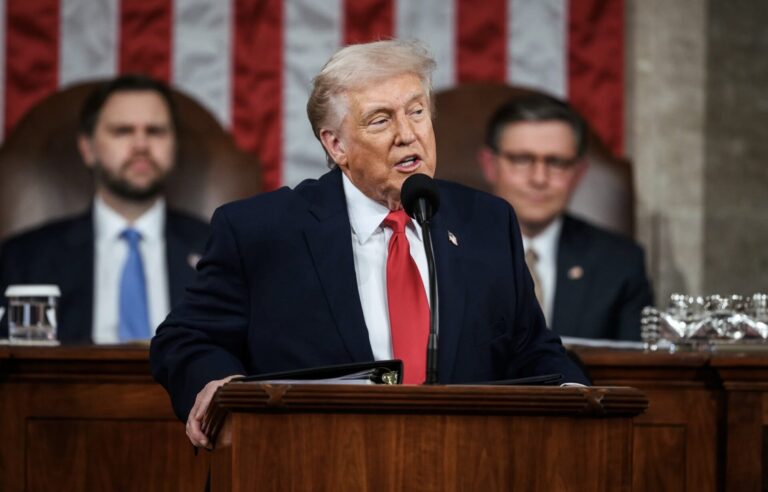
Officials and statements reported a joint US and Israeli operation that killed Iran’s supreme leader and several senior figures. The White House called the effort Operation Epic Fury. The sequence and the full facts are still being sorted. When leaders announce military action they offer a clear aim. They also leave many questions for the public to answer later about risk, cost, and long term strategy.
Greene’s public response
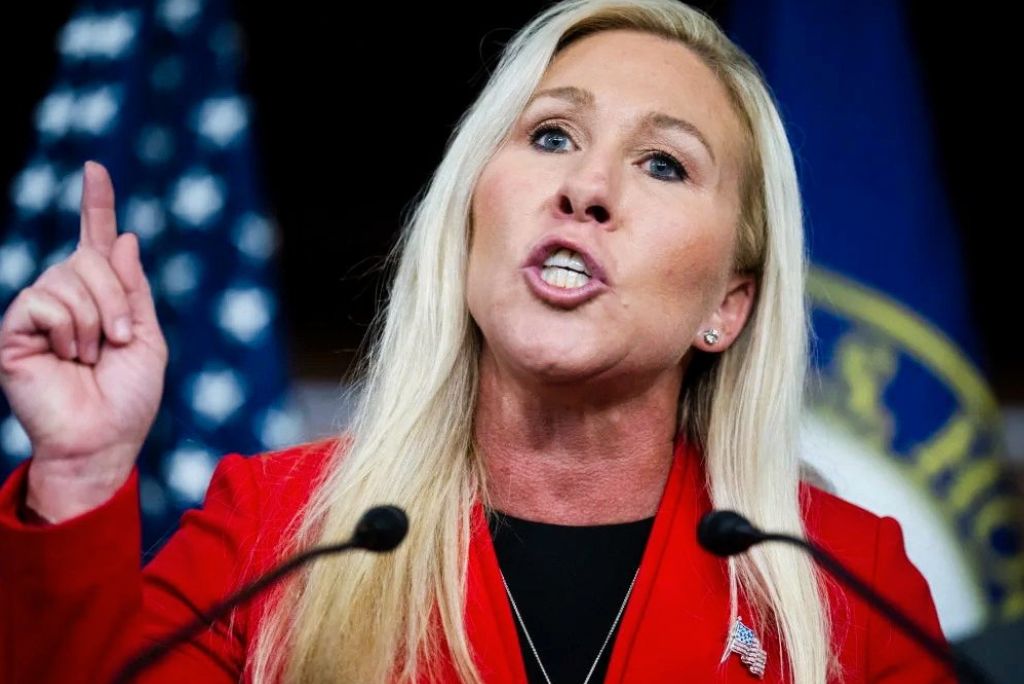
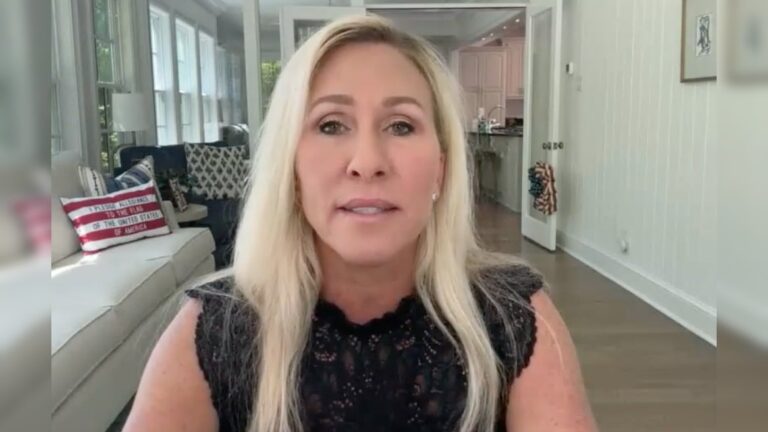
Former Congresswoman Marjorie Taylor Greene took to X to criticize President Trump. She said the strike clashes with the America First message many candidates used. She argued that military action now looks out of step with voters who are worried about jobs, inflation, and personal finances. Her post stressed frustration among younger voters and warned the move could deepen generational mistrust of political leaders.
The economic and generational argument
Greene highlighted a common political point. Many younger Americans say they face high debt, hard housing markets, and scant savings. She connected those worries to the choice to use force abroad instead of focusing on domestic money problems. Whether you accept her numbers or not, the political effect is clear. Voters who feel squeezed want priorities that protect their wallets and their future retirement safety nets.
Why the political spin matters
This episode shows how quickly foreign policy becomes a messaging fight. Officials give short statements and big words. Corporate media and political teams shape those lines fast. That leaves voters to judge both the facts and the framing. If leaders want durable support, they must explain strategy, costs, and how military moves fit real world budget tradeoffs. Without clear answers, distrust grows and the long term cost can be political as well as financial.
WE’D LOVE TO HEAR YOUR THOUGHTS! PLEASE COMMENT BELOW.
Leave a Comment