
A Quiet Pass Over the Moon
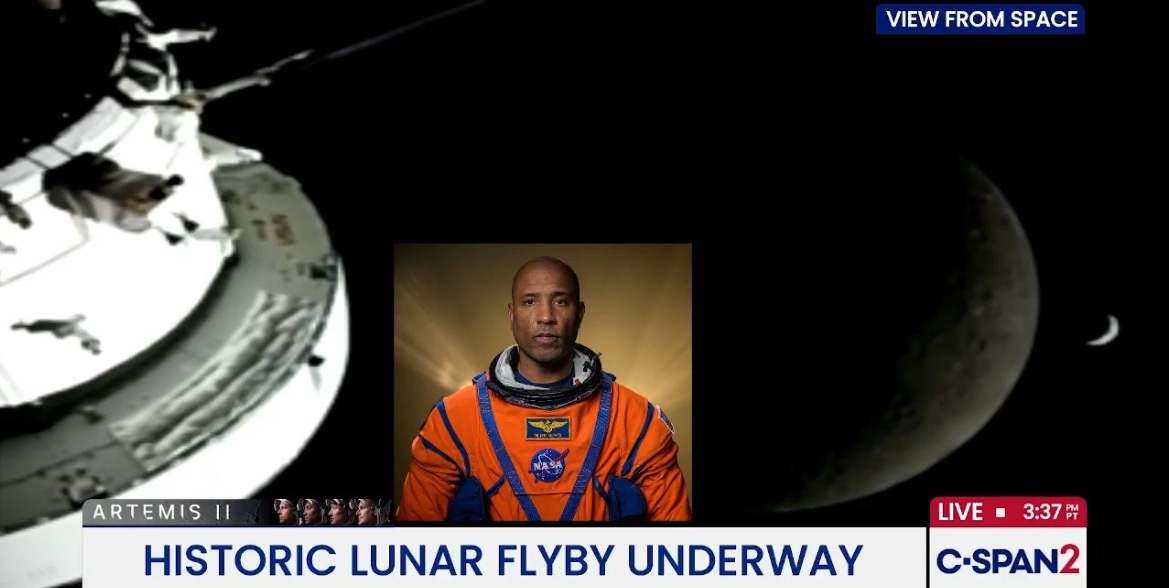
Artemis II slipped behind the far side of the Moon on Monday during a historic flyby, which is the sort of thing that still sounds like science fiction even when NASA has a press release ready to go. The mission launched last Wednesday from Kennedy Space Center in Florida for a planned 10-day trip around the Moon. It is the first crewed lunar mission since 1972, which tells you both how hard this work is and how much paperwork has piled up in the meantime. The spacecraft is carrying Reid Wiseman, Victor Glover, Christina Koch, and Canadian astronaut Jeremy Hansen. For a while, the crew was out of radio contact, because the Moon remains stubborn about helping with communications, no matter how many government acronyms are involved.
Glover Uses The Moment For A Gospel Message
Before the blackout, Victor Glover shared a message about the Gospel and Jesus Christ’s teachings. He spoke about love, saying Jesus taught people to love God with all that they are and to love their neighbor as themselves. Glover also used the moment to send a greeting from deep space, saying the crew would feel the love from Earth and would see people on the other side. Over Easter weekend, he added that when you are far from America and looking at the beauty of creation, the Bible points back to how special life is. He called Earth a “spaceship” created as a place for people to live, which is the kind of line that can make a space agency sound almost poetic, if only for a minute. In a media world that usually treats faith like a scheduling conflict, it was a welcome change to hear a public message that was plain, human, and not filtered through a committee memo.
NASA’s Mission Goals Stay Very NASA
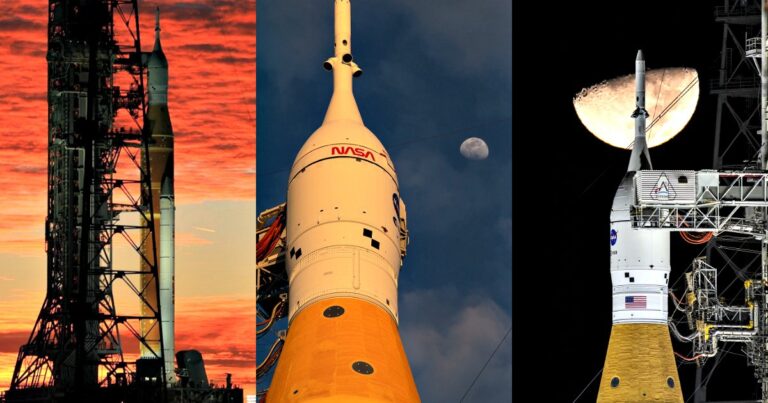
NASA says Artemis II is meant to test the systems and hardware needed for harder missions ahead, with goals that include more Moon exploration, scientific discovery, and, because no space plan is complete without a sequel, the long road toward crewed missions to Mars. The agency said the SLS rocket and Orion spacecraft lifted off with enough force to rattle the accountants, thanks to twin solid rocket boosters and four RS-25 engines producing 8.8 million pounds of thrust. NASA also noted that the vehicle separated from ground systems and became fully autonomous after launch. That part matters, because once you are sending people around the Moon, you probably want the rocket to behave like a machine and not like a federal program. The official wording also mentions economic benefits, which is the usual reminder that even the stars must sometimes make room for a budget pitch.
WE’D LOVE TO HEAR YOUR THOUGHTS! PLEASE COMMENT BELOW.

Leave a Comment