
The Lawsuit
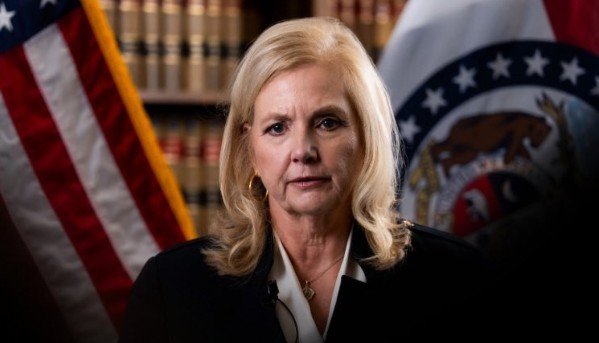
Missouri Attorney General Catherine Hanaway sued the U.S. Census Bureau and the Commerce Department. She says the federal agencies are counting noncitizens in a way that changes how many congressional seats and electoral votes each state gets. The filing asks a court to bar the inclusion of those noncitizens in apportionment. It also demands a recount. Her office calls this the first lawsuit of its kind. The legal goal is to force a change in how population is measured for representation.
Her Claim
Hanaway says counting noncitizens steals representation from states that enforce immigration rules. She argues that states such as California and New York gain seats and money by including people who are not citizens. Her announcement estimates 11 House seats and 11 electoral votes could shift if the counting rules change. She frames this as a fight over who decides the makeup of Congress and the Electoral College. Those are high stakes words for a census case.
How She Frames the History
The attorney general points to policy changes going back decades. She notes a decision after the 1980 census to count all residents, and she highlights a 2020 presidential memorandum that tried to exclude noncitizens from apportionment. She says litigation and administration changes since then left the current practice in place. That background matters because the suit asks a court to revisit longstanding administrative choices and how they line up with the Constitution.
Public Pitch
Hanaway has been on the media circuit promoting the suit and the recount idea. She told listeners that if courts agree, seats now attributed to some states could move to others, including Missouri. The office used social media to make the point. https://twitter.com/AGCHanaway/status/2017263510527377913?ref_src=twsrc%5Etfw
https://twitter.com/clayandbuck/status/2017310831147442532?ref_src=twsrc%5Etfw
Practical and Legal Hurdles
A federal lawsuit is not a simple rerun of a census. Courts will look at standing, statute, and how the census is supposed to work. Judges will also weigh precedent and the practical trouble of redoing apportionment well after the count. Even if a court finds fault, the remedy could be limited or delayed. In politics, however, filing a suit reshapes the argument. It forces attention on how bureaucrats count people, how courts interpret rules, and how states claim harm from federal decisions.
WE’D LOVE TO HEAR YOUR THOUGHTS! PLEASE COMMENT BELOW.



Leave a Comment