
Arrest and indictment
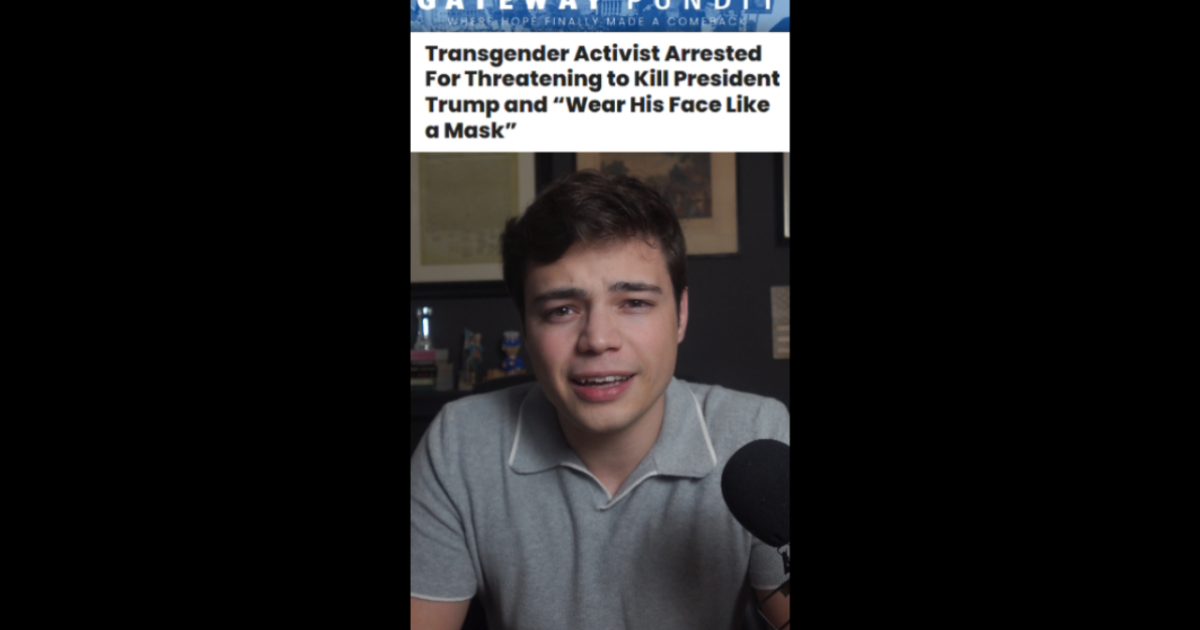
Federal authorities arrested 20-year-old Phillip Wharton, who is also known online as Sadie Online, after social media posts allegedly threatened President Trump. Prosecutors say Wharton was indicted on two counts of threatening a federal official. The case was handled in the greater Seattle area and the arrest took place in Everett, Washington. The legal paperwork moves this from online outrage into the courtroom, where words meet statutes and procedure.
What the posts allegedly said
Investigators say the posts included a statement that the author planned to kill the president and “wear his face as a mask,” plus other messages promising assassination. Those claims are violent and specific enough that the Secret Service opened an investigation last summer. Online talk can be bluster, but threats against a head of state get treated differently by law enforcement, for better or worse.
How the accounts were traced
According to court documents, agents linked an Instagram account and an X account to Wharton and used that connection to take him into custody. That is now a familiar script: a social post, a trace through platform data, and an arrest. It shows how much power tech platforms and federal agencies have to map identities from online handles to real people.
Media, messaging, and the public reaction
Newsrooms and social feeds did what they always do. They amplified the threat, leaned into outrage, and offered instant explanations about causes and blame. Blaming a single political side or the entire media is tempting, but systems matter more. Platforms make speech searchable. Law enforcement decides what to pursue. Editors decide what to highlight. Those choices shape which threats get attention and which do not.
WE’D LOVE TO HEAR YOUR THOUGHTS! PLEASE COMMENT BELOW.



Leave a Comment