
What Washington quietly approved
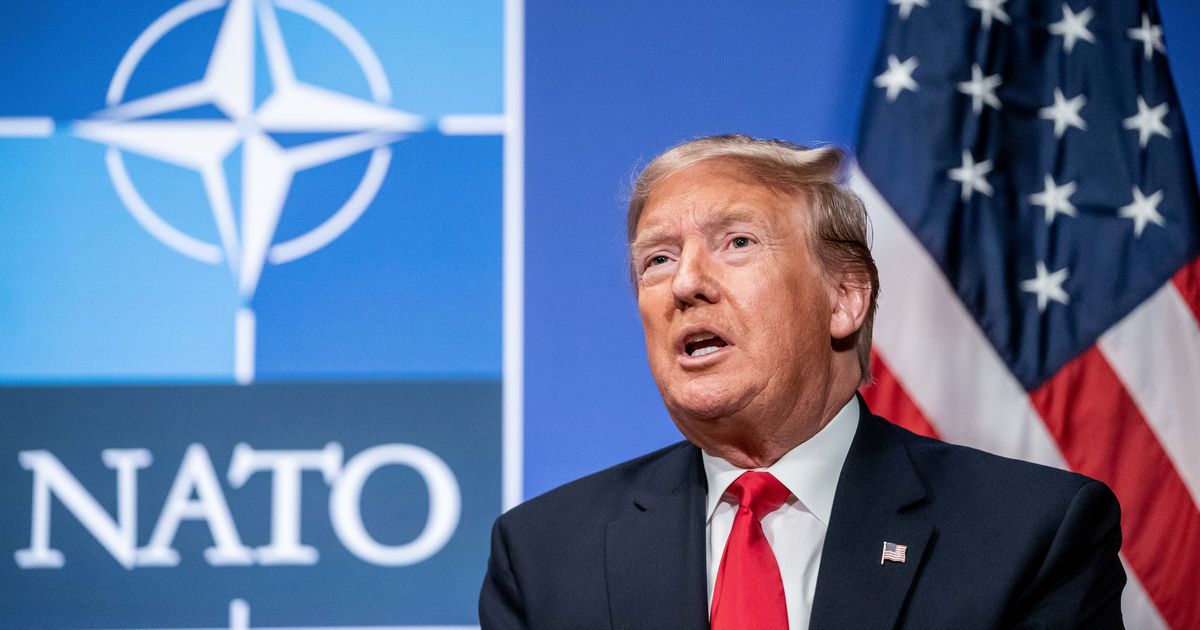
Reports from major outlets say the Pentagon is preparing to cut roughly 200 American billets that staff NATO command and advisory centers. The reductions will mainly happen by not replacing officers when their tours end. That means no dramatic troop convoys. It does mean fewer American voices in NATO planning hubs for intelligence, special operations, and maritime coordination.
Which NATO posts feel it first
Officials named several influential nodes that will lose U.S. personnel. The list includes the NATO Intelligence Fusion Centre in the United Kingdom, Allied Special Operations Forces Command in Brussels, and STRIKFORNATO in Portugal. The cuts are reported to amount to about half of the current U.S. presence in those specific bodies, not the destruction of an entire command.
Why the move matters more than the numbers
About 80,000 U.S. troops will remain in Europe, a figure that stays just above the congressional trigger for larger withdrawals. The point is symbolism. Embedded staff shape NATO planning, not just boots on the ground. Reducing those roles lowers Washingtons day-to-day influence inside alliance decision making. That is the part European capitals find unnerving.
Greenland, tariffs, and the strategic pivot
The shift comes amid an ugly diplomatic row over Greenland. The White House has framed the island as strategically vital. Officials also point to a new National Security Strategy that reprioritizes the Western Hemisphere. At the same time the administration announced tariffs tied to the dispute. Whether you see this as blunt bargaining or strategic clarity depends on your patience for diplomatic theater.
How officials explained it
Pentagon staffers say the reductions are deliberate and paced to avoid sharp disruptions. U.S. officials have told European partners they expect allies to shoulder more intelligence, missile defense, and logistics by 2027. European leaders privately call that timeline optimistic. NATO spokespeople stress that discussions with Washington continue and that the alliance will keep its deterrent capacity.
What this reveals about the system
This episode is less about a single policy change and more about a test of old assumptions. For decades Washington built NATO into the Wests main security machine. Now the U.S. is asking whether that machine runs the same way, or at all. Bureaucracies on both sides will posture and spin. Expect more headlines and fewer quiet meetings as allies trade threats, tariffs, and talking points instead of faster capability fixes.
WE’D LOVE TO HEAR YOUR THOUGHTS! PLEASE COMMENT BELOW.

Leave a Comment