
Kennedy’s Pitch
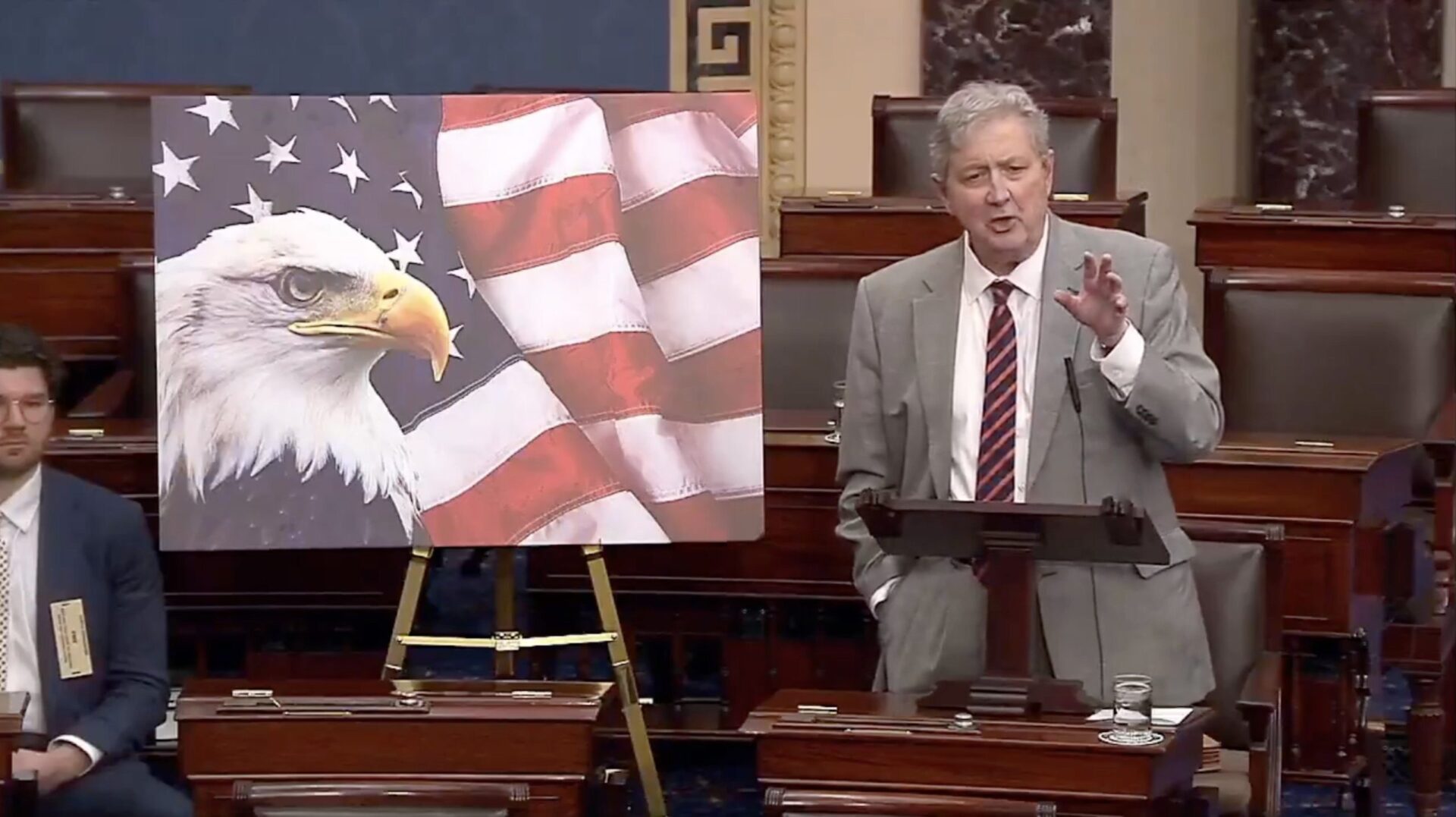
Senator John Kennedy told colleagues it is time to try pushing the SAVE America Act through budget reconciliation. That process needs only 50 votes plus the vice president to break a tie. Kennedy argued the bill matters because it speaks to voter confidence and election security. He said lawmakers should stop waiting and see if lawyers and the parliamentarian will accept a version that fits reconciliation rules. He framed this as a pragmatic move, not a partisan stunt, and urged his side to at least attempt the technical work required to make the bill eligible.
How Reconciliation Actually Works
Reconciliation is a fast lane for budget-related bills. It was born in the 1970s and lets the Senate pass certain measures with a simple majority instead of the 60 votes needed to beat a filibuster. But it is not a blank check. Reconciliation only applies to matters that change spending, revenue, or the debt limit. If a provision does not affect the budget, it can be trimmed out. That is why lawyers, accountants, and rulebooks matter as much as votes when people talk about using reconciliation for policy goals.
The Byrd Rule and the Parliamentarian
The parliamentarian enforces something called the Byrd Rule. That rule stops so called extraneous items from riding through reconciliation if they do not touch the budget in a meaningful way. Senators can try clever drafting and accounting to make policy look like budget language. Sometimes it works. Sometimes it does not. Kennedy pointed out that smart lawyers disagree and that past surprises have come from both directions. The takeaway is simple: the parliamentarian holds real power over what survives the process, not just big speeches on the Senate floor.
A House Nudge and a Social Media Push
Not everyone is waiting for a Senate-only solution. Representative Anna Paulina Luna suggested attaching the SAVE Act to other must-pass bills, like FISA, to force a vote. That is classic legislative pressure. Attach a controversial change to a bill the Senate is likely to pass and force colleagues to choose. It is blunt, effective, and a sure way to set off procedural fights. Expect talk about ‘‘must-pass’’ logic and accusations of hostage-taking from both sides, because that is what this playbook does to a chamber built on rules.
Political Odds and Practical Risks
Moving a bill through reconciliation is not just a legal puzzle. It is a political gamble. Republicans would need unity, or at least no defections, and they would need to survive a parliamentarian review. Democrats could choose to engage or to block in other ways. If the maneuver works, the party in power can claim action on election security. If it fails, critics will say lawmakers tried to game the rules. Either way, the episode will remind voters that procedure matters. Lawmakers can win or lose on drafting choices as much as on vote counts.
WE’D LOVE TO HEAR YOUR THOUGHTS! PLEASE COMMENT BELOW.



Leave a Comment