
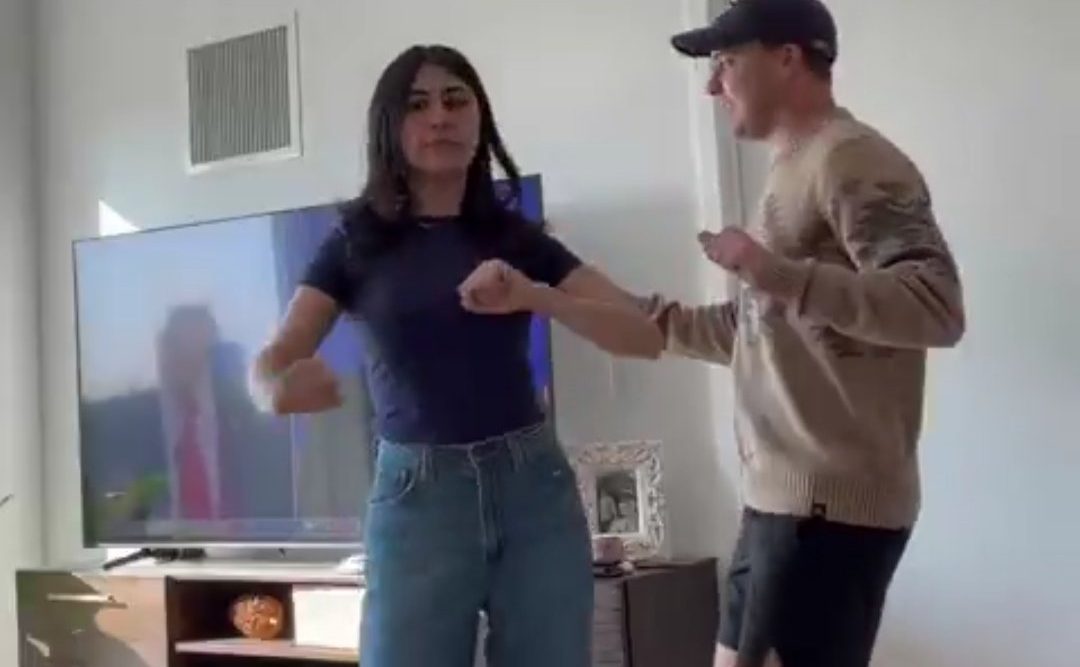
The viral clip
A short video posted by Sana Ebrahimi shows her dancing to the Village People’s YMCA as she declares Iran’s supreme leader dead. The post went viral in hours and has been viewed millions of times, drawing global attention. The rawness of the clip is part of its power: it is personal, emotional, and unmistakably celebratory. At the same time, viral reach invites quick assumptions; a clip can be true in itself while still getting wrapped into larger political narratives that reward drama over detail.
Who is Sana Ebrahimi?
Ebrahimi is a former Iranian resident and a PhD candidate at the University of Illinois Chicago. She holds a BS from Tehran’s Sharif University of Technology and a master’s from Indiana State University, and she left Iran at age 23. On social media she has described years of harassment and legal limits on women in Iran and has written about leaving Islam. Those personal claims matter because they explain why an event like this would prompt a strong public reaction from her.
Context behind the celebration
For many Iranians and Iranian exiles, the regime represents longstanding repression, especially for women. Public joy in response to a leader’s death is understandable in that context. But public rejoicing can also feed partisan messaging abroad. It is important to separate a genuine human reaction from how that reaction will be used politically by activists, newsrooms, and campaigns. The human story does not erase the risk that such moments get spun to serve agendas.
Political switch and online identity
Ebrahimi has posted her political views publicly, including admitting past support for Joe Biden in 2020 and later endorsing Donald Trump. Political views can change, especially for people watching foreign policy up close. The switch highlights how social media profiles become short biographies: a few posts used to simplify a whole life. That simplification serves attention, but it can also flatten real motives and lived experience into a neat political label.
How media and platforms handle viral moments
Platforms amplify emotion. News outlets then amplify the platforms. That loop rewards short, loud items that travel fast. Responsible coverage needs verification and context, not just eyeballs. The clip and the account have ties to prior interviews and public statements, including a TV interview last year, which makes the post easier to place in context. Still, quick virality can push incomplete narratives before reporters can check facts and consequences on the ground.
What to watch next
Moments like this raise two serious questions. One is political: what does a leadership change mean for Iran’s future and for regional stability? The other is human: how will ordinary Iranians fare amid upheaval and in the backlash that often follows public threats to authority? Joy at one moment can turn to danger in the next. Observers should track verified reporting on events inside Iran and be cautious about letting viral emotion substitute for measured information.
WE’D LOVE TO HEAR YOUR THOUGHTS! PLEASE COMMENT BELOW.

Leave a Comment