
What happened
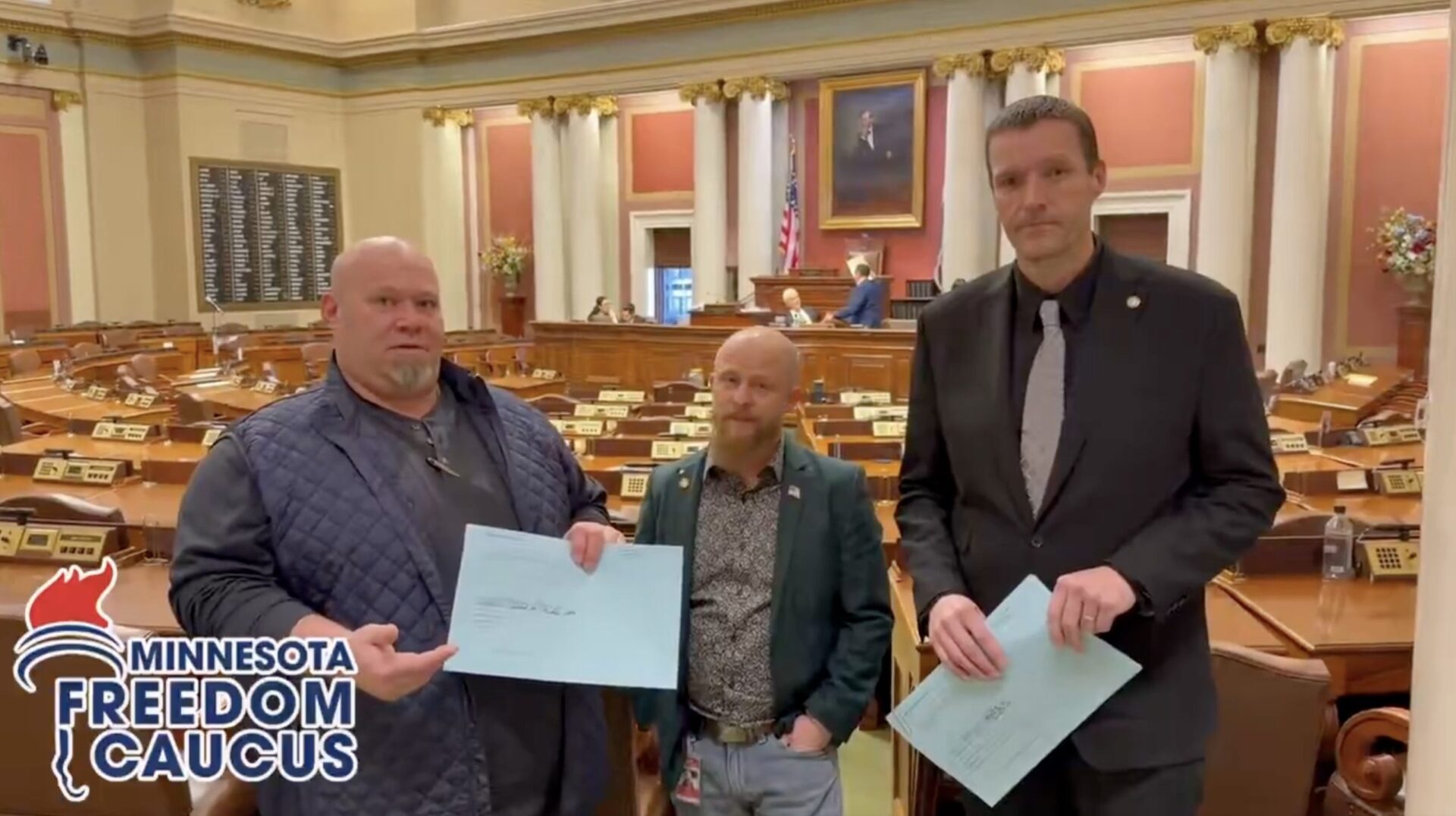
Members of the Minnesota Freedom Caucus filed articles of impeachment against Governor Tim Walz and Attorney General Keith Ellison this week. They say state leaders ignored or covered up large-scale fraud tied to pandemic-era relief and social services. Lawmakers point to whistleblower claims, internal agency complaints, and public reports that put the suspected losses in the hundreds of millions to billions of dollars. Those are serious accusations. The representatives who filed the papers say lawmakers must use impeachment to force answers when standard oversight tools fail.
The allegations in plain language
At the center of the complaints are claims about the Feeding Our Future program and other aid channels that sent money to needy families. Federal investigators have cited large sums missing or misused, and some media reporting has linked portions of that money to criminal networks. State employees say they raised alarms and faced pushback, including monitoring and retaliation. Those claims are framed as both financial mismanagement and a failure to protect whistleblowers. None of this is settled law yet. Impeachment is a political remedy that aims to compel fact-finding on big questions.
How the process works and what comes next
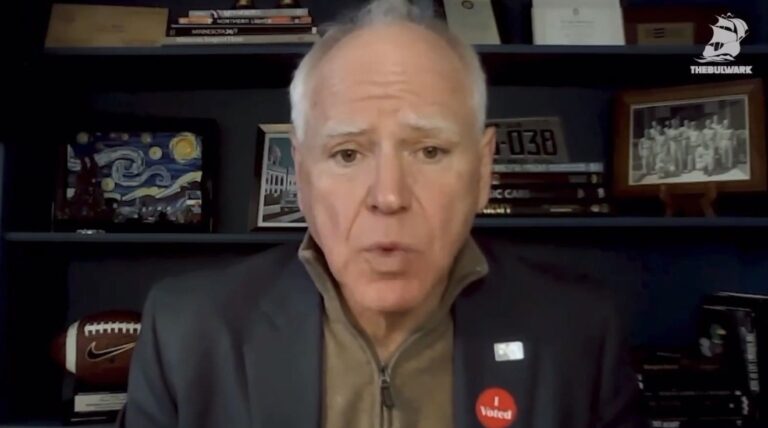
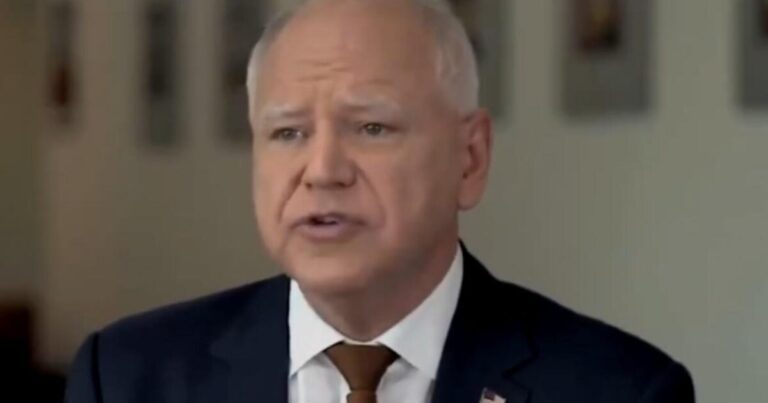
If the Minnesota House approves articles of impeachment by a simple majority, the case moves to the State Senate for trial where a two-thirds vote is needed to convict and remove an official. The filings add another layer to ongoing federal scrutiny. Both Walz and Ellison are also expected to testify before a congressional oversight committee, which will question them under oath. Those hearings will feed public record and could shape any state-level proceedings. Expect a lot of document requests, subpoenas, and talking points from both sides.
Politics, bureaucracy, and media spin
This fight is part legal and part political theater. The Freedom Caucus wants accountability and public hearings. Opponents call the push partisan and premature. Either way, look at the systems more than the slogans. Large aid programs were rushed into place during an emergency. That speed and complexity invite waste and fraud. Agencies and elected leaders must answer for oversight lapses. Journalists and politicians will compete to control the narrative. Voters should watch the documents, not the spin.
WE’D LOVE TO HEAR YOUR THOUGHTS! PLEASE COMMENT BELOW.

Leave a Comment