
The odd bounce between districts
The Eastern District of New York looked at the facts and chose not to charge Michael Castillero. Then the case landed in the Southern District of New York and suddenly became a headline. That switch is not a small detail. When one federal office declines, a second office taking the same matter raises questions about forum shopping and incentives inside the Department of Justice. It also shows how different U.S. attorney offices can treat the same evidence very differently, which matters a lot to anyone who thinks fairness should not depend on geography or PR.
The incentives that shape prosecutions
Federal prosecutors do not operate in a vacuum. Offices like SDNY are well known for aggressive, high profile cases. That reputation can attract resources, attention, and praise. The incentives are obvious. A big win looks good in press releases and career files. The danger is that an appetite for dramatic results can tilt how evidence is packaged and presented. The question to ask is simple. Are some cases made to fit a narrative rather than the other way around?
What happened to Michael Castillero
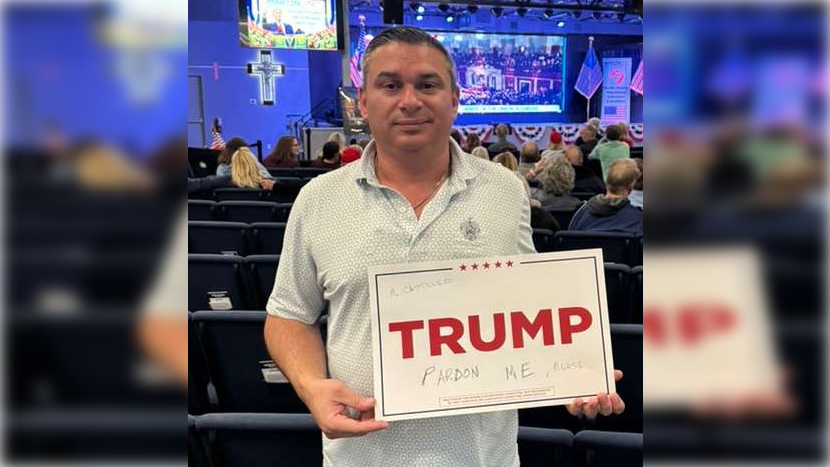
Castillero was charged in a case that another federal office had declined. He has pleaded guilty and now faces sentencing on April 15. His family has described the strain that the process put on their lives. Whether you focus on the legal timeline or the human cost, there is a sharp contrast between the initial decision to pass on charges and the later push to prosecute. That contrast helps explain why critics see this as more than one man’s misfortune.
Why appeals are expensive and slow
An appeal is not just a filing. It is a long, costly fight. Good appellate work requires specialized lawyers, financial experts, and time to gather records and craft arguments. The government has a budget that can absorb long campaigns. Defendants do not always have that luxury. That gap affects who can meaningfully challenge a prosecution and how long it takes to reach a final judgment. For ordinary families, that imbalance is itself a form of pressure.
Who has stepped forward to help
Castillero has drawn support from groups and lawyers outside the usual public defender system. The American Rights Alliance has offered assistance and advocates such causes publicly. Attorneys connected to high profile clients have also been mentioned as part of the legal team working on appeals and related matters. Outside help can make a practical difference by covering costs and bringing additional legal firepower, but it also turns the case into a public campaign as much as a legal fight.
What to watch next
Keep an eye on sentencing and the next legal filings. If an appeal follows, the record will show how the two districts evaluated the same facts. That comparison could matter for future cases where different offices take different views. This is not just about one man. It is a test of how consistent the system is when faced with political heat and media attention. A system that treats similar cases differently based on venue or optics should worry anyone who cares about equal justice under the law.
WE’D LOVE TO HEAR YOUR THOUGHTS! PLEASE COMMENT BELOW.

Leave a Comment