
Quick take
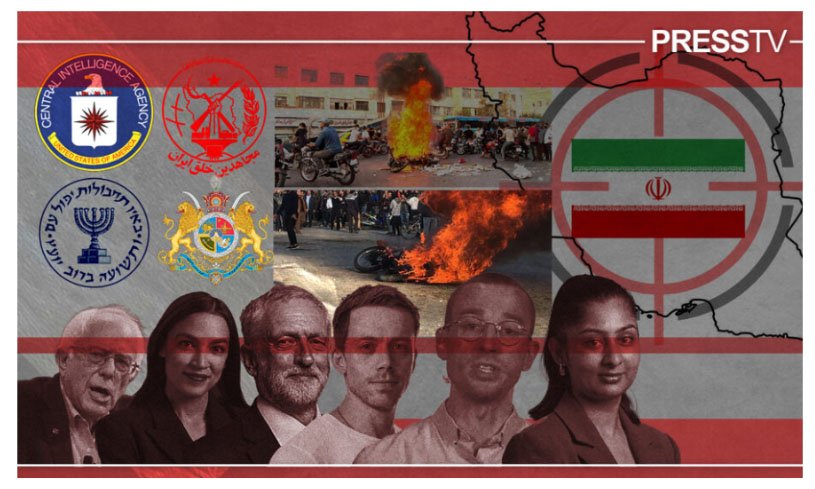
When large protests broke out in Iran from December 2025 into January 2026, Tehran answered with force on the streets and a focused information campaign online and on state media. The pattern was methodical. Security forces moved to stop demonstrations. State channels moved to rewrite the story. The result was a two-track effort: physical suppression plus narrative control aimed at both domestic and foreign audiences.
How the campaign was organized
A February 2026 report by an international research institute describes a top-down system. Senior leaders set the core message. The IRGC and state broadcasters turned orders into content. Confession videos, staged rallies, and curated arrests were used as evidence for the official line. Semi-official networks on Telegram and other platforms then amplified those messages in multiple languages. The pieces fit together to create a single, consistent narrative.
The staged narrative phases
The campaign ran in clear stages. At first, pro-regime channels downplayed the unrest and hoped it would fade. When rallies kept growing, Iran’s leadership acknowledged economic grievances but labeled violent elements as foreign-backed “mercenaries.” Later speeches shifted to explicit accusations against the United States and Israel, framing the protests as a covert attack. After force restored order, the regime promoted a victory story showing it as defender of the nation against outside enemies.
Three recurring themes
The official messaging relied on three themes. First, American hypocrisy: Tehran argued that U.S. criticism rang false after recent strikes and political turmoil in the United States. Second, foreign profit motive: messages claimed Western interest in Iran was about resources, not human rights. Third, domestic chaos in rival countries: Iranian outlets highlighted unrest abroad to argue that foreign governments had no standing to lecture Iran. Together, these themes aimed to delegitimize outside criticism and justify a harsh crackdown.
Targeting Israel and the West continued
Even while repressing protests at home, Iran kept up targeted influence operations aimed at Israel and Western publics. State-funded channels expanded content in Hebrew and English to erode confidence in Israeli and American institutions. Officials also used psychological tactics, such as threatening messages aimed at civilians. These activities show the regime treated foreign influence work as an ongoing line of effort, not a side project.
How the media machinery works
The media arm is tightly linked to the state. Broadcasting agencies report to the highest levels of leadership. State outlets create materials that can be reused by a wider ecosystem of allied channels. That system turns talk into visuals that are easy to share. Arrest footage, confessions, and staged events are designed to be replayed until the preferred version of events sticks in many inboxes and feeds.
Why this matters to U.S. and allies
Information operations change the political environment. They can shape how outside governments, foreign publics, and local security forces see a crisis. For partners watching Iran, the lesson is that military actions and coercion will be mirrored by swift narrative moves. That makes information a battlefield in its own right. Countering it requires coordination across intelligence, public diplomacy, and media literacy efforts.
WE’D LOVE TO HEAR YOUR THOUGHTS! PLEASE COMMENT BELOW.

Leave a Comment