
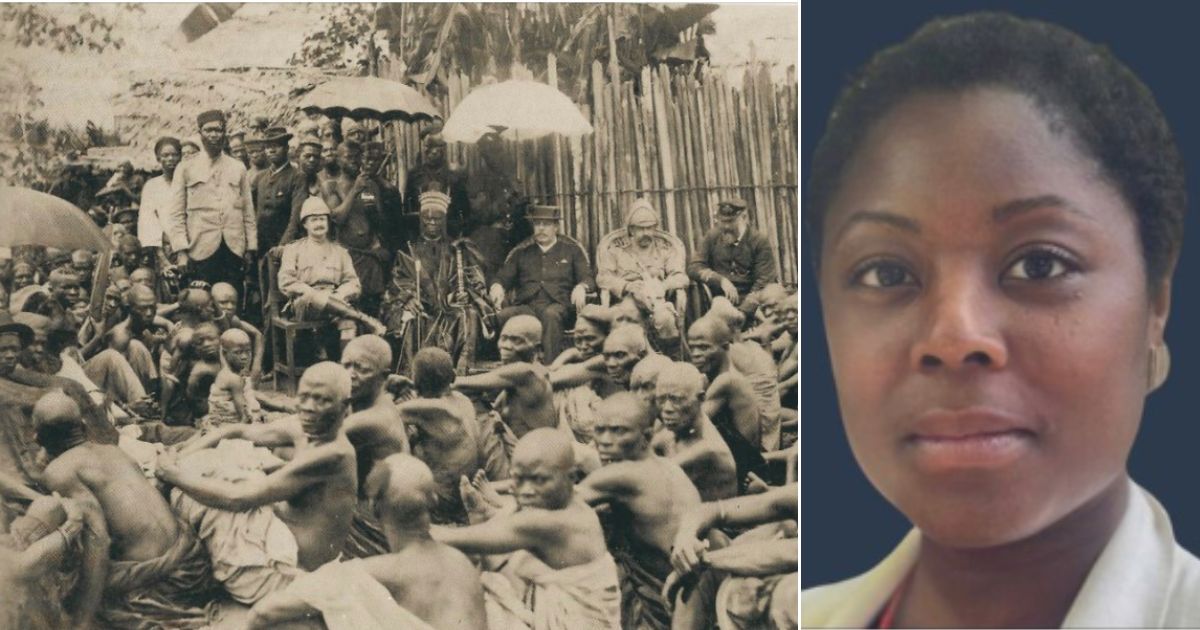
A post about Lagos, and a date problem
Antoinette Fernandez, who ran as the Green Party candidate in Hackney North and Stoke Newington in the 2024 U.K. general election, posted on X in 2024 that her great-great maternal grandfather was the Oba of Lagos in 1861 and was forced, under threat of bombardment, to cede the city to the British. The claim was presented as a tidy lesson in colonial blame. Then came the annoying part for people who prefer slogans to records. Users pointed out that the key date was wrong and that the historical context was not nearly as simple as the post suggested. The internet, for once, did what it is built to do: check the homework after the speech has already started.
What the record says about Lagos
Historical accounts place the British attack on Lagos in 1851, not 1861. They also say Oba Kosoko fled after a battle that lasted three days, with the Royal Navy using heavy firepower. Later, the British annexed Lagos in 1861. Those same accounts describe Lagos as a major center of the Atlantic slave trade, and say Kosoko was involved in it. That does not turn empire into a noble hobby. It does, however, make the old story of pure victimhood look thin. History has a way of refusing to fit on a campaign leaflet, which is inconvenient for people who would rather have one villain and one speechwriter.
Why the Green Party angle matters
Fernandez is not the point by herself. She is a sign of where British politics is drifting. The Green Party has gained ground as Labour and the Conservatives keep disappointing voters on everything from migration to basic competence. In that kind of mood, identity politics becomes useful. A candidate can wrap a personal story around larger grievances and hope the audience does not ask for footnotes. That is not unique to the Greens, of course. Every party has learned that emotion travels faster than fact, and media outlets are often happy to carry the luggage. The result is a neat little loop: activists make the claim, party officials smile, reporters quote it, and everyone acts surprised when the record arrives late and ruins the mood.
Social media did the boring work
When the post started drawing attention, users and community notes supplied the details that should have been there from the start. That is the least glamorous form of accountability, which is probably why it works. The debate over Lagos was never just about one family story. It was about how modern politics turns colonial history into moral theater, then asks the public to applaud on cue. Fernandez deleted the post, but the larger habit remains. If the facts are messy, the pitch gets louder. If the history is ugly, the spin gets smoother. And if the audience notices the date is off, the system will simply move on and hope the next grievance comes with fewer citations. For the record, the posts that circulated in the debate were these:
WE’D LOVE TO HEAR YOUR THOUGHTS! PLEASE COMMENT BELOW.

Leave a Comment