
The Claim
Late-night host Stephen Colbert and Texas Democrat James Talarico said the Federal Communications Commission blocked a Colbert interview with Talarico from airing on CBS, and that the interview was pulled because the Trump FCC feared Texas would flip. CBS did not air the segment and the video appeared on YouTube. Colbert used his monologue to complain that the network and its lawyers told him not to run the interview on broadcast television.
What CBS Told Viewers
CBS issued a plain legal explanation. The network said The Late Show was not prohibited from broadcasting the interview. Lawyers warned that airing the segment could trigger the FCC equal-time rule for other candidates, including Representative Jasmine Crockett, and offered options for how to satisfy equal-time obligations. The show chose to post the interview on YouTube and promote it on air rather than implement those equal-time options.
How Colbert and Talarico Framed It
Colbert turned the legal guidance into a free-speech bit on his show and used satire to rail at network lawyers. Talarico posted a clip on X saying, “This is the interview Donald Trump didn’t want you to see” and claimed the FCC “refused to air” the interview. That message went viral and the campaign said it raised millions within a day. That helping hand from virality and fundraising is exactly what makes these moments worth a close look.
Brendan Carr’s Response
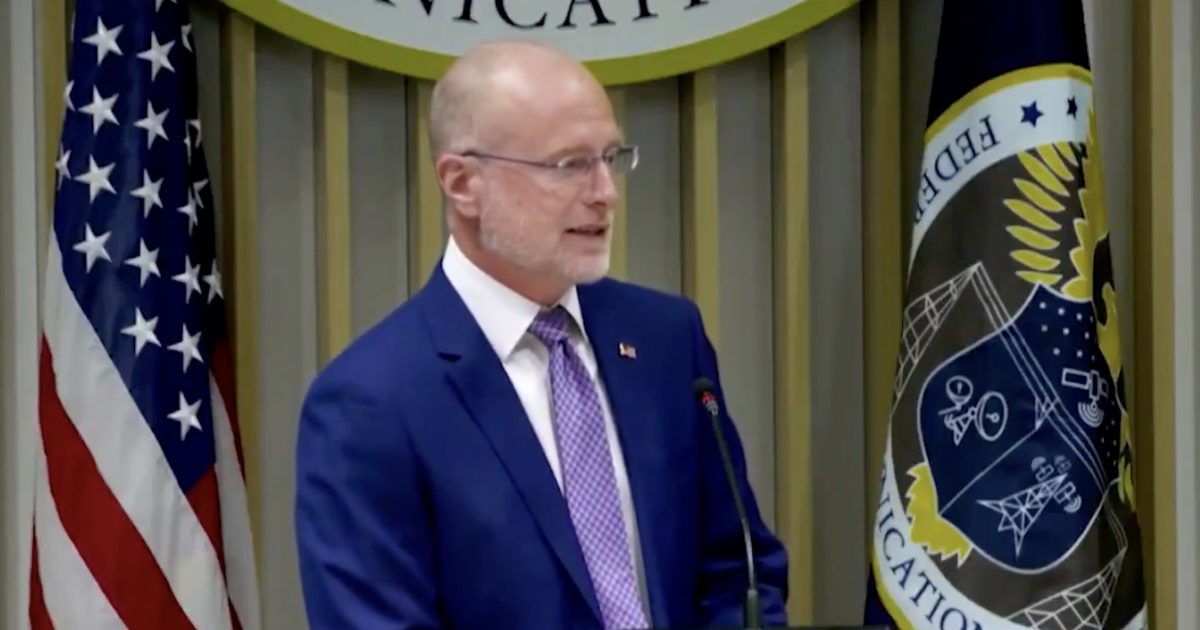
FCC Chair Brendan Carr publicly called the episode a hoax engineered for clicks and donations. He told reporters that a candidate took advantage of media habits to gin up a story and that the press ran with it without correcting the record. Carr quipped that “the American people have more trust in gas station sushi than they do in the national news media,” and criticized outlets for not doing a proper follow up once the facts were clear.
Why the Equal-Time Rule Matters
The equal-time rule is a blunt, old-fashioned tool. It forces broadcasters to offer comparable airtime to opposing candidates when a station gives time to a political candidate. Networks and their lawyers often avoid risk by steering political interviews off broadcast air and onto online platforms. That choice protects the network but can be spun by talent or campaigns into a tale of censorship. The result is predictable: lawyers play it safe, hosts play outraged, campaigns cash in, and the public ends up confused about how media rules actually work.
WE’D LOVE TO HEAR YOUR THOUGHTS! PLEASE COMMENT BELOW.
Leave a Comment