
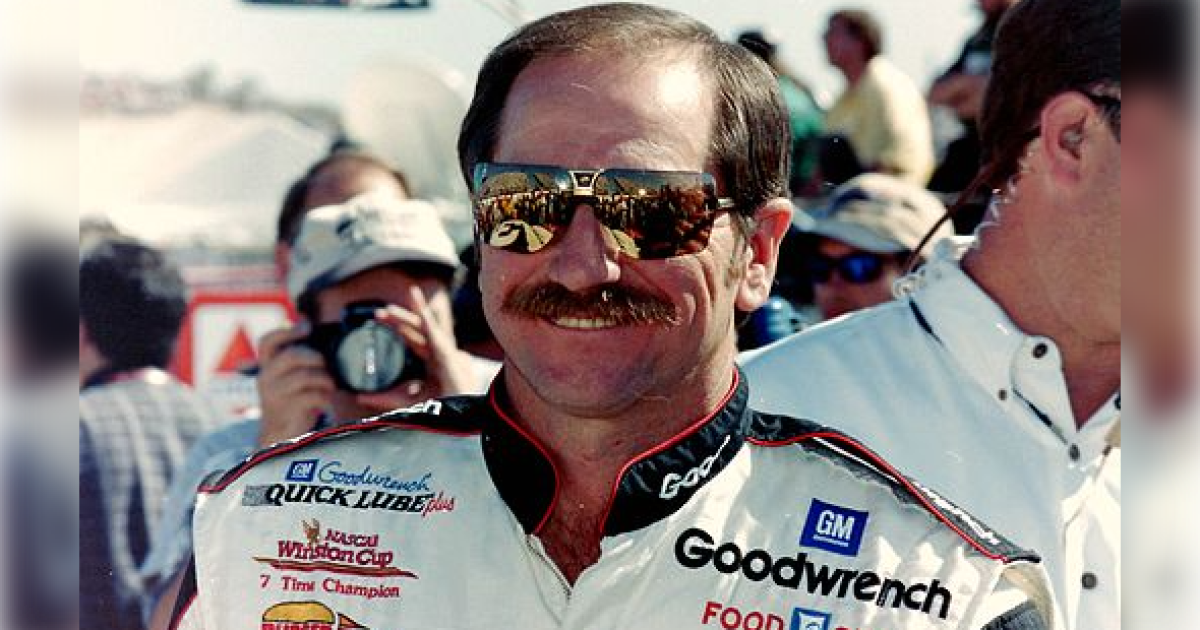
What the doctor reported from the scene
Dr. Steve Bohannon, who served as the EMS Medical Director at Daytona, says what he saw made it clear the injury was catastrophic. He told reporters he checked Earnhardt and saw blood coming from the ears and airway. Bohannon said those signs pointed to a basal skull fracture and no meaningful signs of life. He also said the medics on scene reacted in a way that made him realize how bad it was. This account lines up with the grim nature of the crash and why first responders knew they faced an unsurvivable injury.
Care given in the ambulance and at the hospital
Bohannon says Earnhardt was placed on a stretcher and taken to Halifax Medical Center, which is less than a mile from the track. In the ambulance Bohannon intubated him and started IVs. At the hospital a trauma team worked on him for at least 30 minutes. They took X rays, placed chest tubes, and performed other emergency procedures. Bohannon stressed that the team tried everything they could. Over the years some reports suggested a quick pronouncement. Bohannon says that was not the case and that active care continued in the trauma bay.
How the sport marked the 25th anniversary
This year marks 25 years since the crash. Teams and fans still remember Earnhardt for his driving and his place in NASCAR history. Richard Childress Racing honored him by placing a black No. 3 decal on its cars at the Daytona 500. The sport has a clear ritual of remembrance for figures who shaped it and for moments that changed it.
The change in safety and lasting legacy
Earnhardt’s death helped push NASCAR and the wider racing world to improve safety. His crash accelerated use of head and neck restraints and other track and car safety measures. Those changes have since saved lives and reduced the risk of similar injuries. Remembering what happened is painful. It is also a reminder why safety rules and fast emergency care matter in a sport that runs at very high speed.
WE’D LOVE TO HEAR YOUR THOUGHTS! PLEASE COMMENT BELOW.
Leave a Comment