
What happened
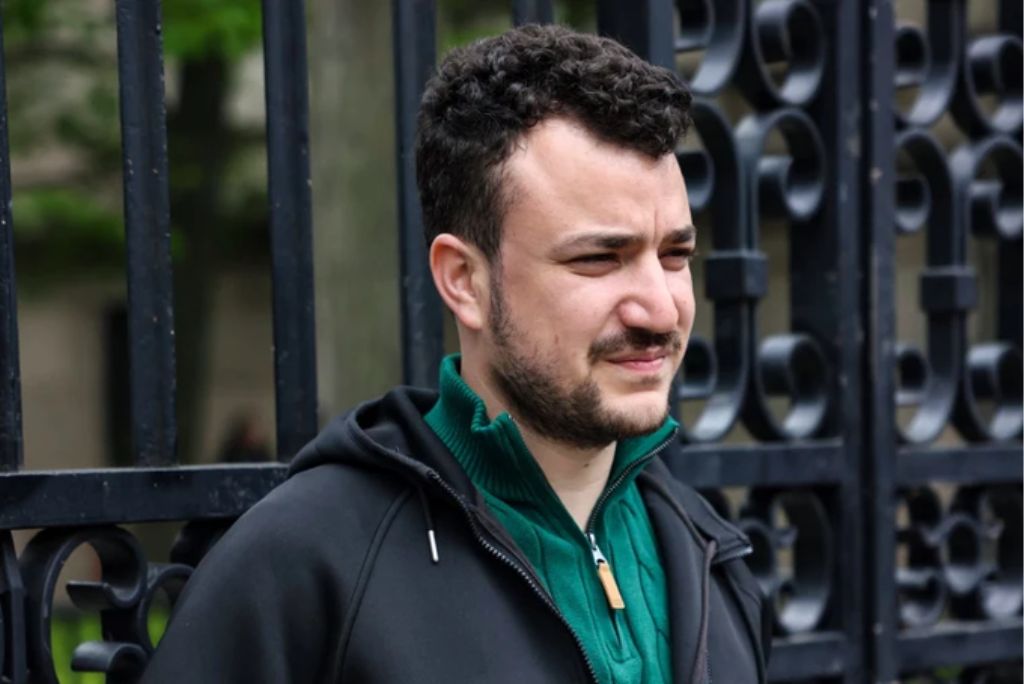
The Department of Homeland Security says Mahmoud Khalil will be re-detained and sent to Algeria after a federal appeals court overturned a lower court order that had freed him from immigration custody. Khalil, a Palestinian activist who was arrested last year on immigration charges, has fought removal in court for months. The appeals court decision means immigration authorities can move again to deport him. That move ends, for now, the brief period when he was out of custody while the courts reviewed his case.
The legal turn
The 3rd U.S. Circuit Court of Appeals ruled 2-1 to reverse the order that had led to Khalil’s release. Lower courts had temporarily blocked his detention on constitutional grounds. The appeals court disagreed and cleared the way for Immigration and Customs Enforcement to re-arrest him. Court fights like this are routine in immigration law, but they are also slow and messy. Neither side gets a clean win. Winners on paper can still face more delays in practice.
DHS speaks, and it sounds like a warning
DHS Assistant Secretary for Public Affairs Tricia McLaughlin told a cable show that Khalil “looks like he will go to Algeria” and that the case sends a message to other noncitizens. Her phrasing framed legal status as a privilege and reminded green card holders and visa holders that citizenship rules carry consequences. That is the public line. It also serves a political purpose. Agencies often use individual cases to broadcast broader enforcement priorities.
The charges and claims
The administration says Khalil supported Hamas and that he gave false information when applying for permanent residency. Khalil rejects those claims and has filed a $20 million lawsuit accusing the government of false imprisonment and malicious prosecution. He has described himself in public as a “freedom fighter,” language that has drawn strong reactions. Social media has amplified both outrage and support. In high-profile cases the facts tend to matter less than the narrative each side can sell.
Campus protests and policy signals
Khalil was linked to protests at Columbia University. His arrest was the first campus detention tied to the administration’s push against foreign nationals involved in far-left activism. That gives this case symbolic weight. Schools, activists, and agencies will watch how the enforcement plays out. If DHS follows through it will show that the government will use immigration law to address political violence and campus unrest. Critics will call that politicizing immigration law. Supporters will say it restores order.
WE’D LOVE TO HEAR YOUR THOUGHTS! PLEASE COMMENT BELOW.

Leave a Comment