
What changed
This week Havana announced that Cubans living abroad can invest in and own private businesses on the island without living there. The change covers small firms and larger projects, and officials singled out tourism, mining, and energy as target sectors. The message is simple: the government wants foreign currency and it wants it fast.
Official pitch
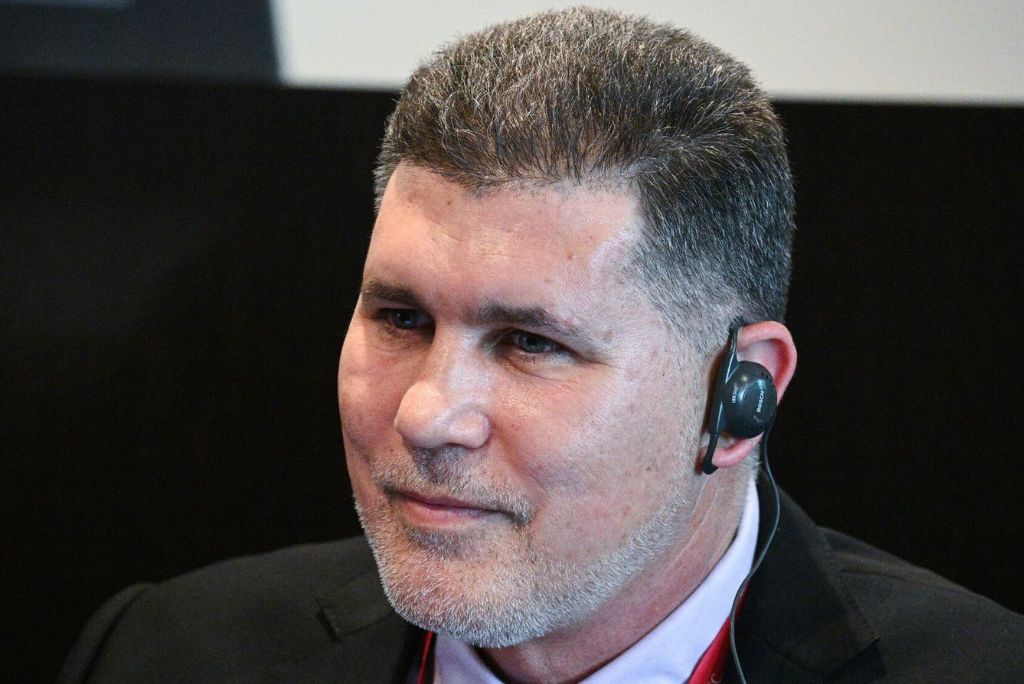
Vice Prime Minister Oscar Pérez-Oliva Fraga told reporters Cuba is open to business with U.S. companies and with Cubans in the United States. The regime framed the move as an effort to build a more dynamic business environment. In plain terms the pitch is that allowing remittances and investment could bring back money and experts who left decades ago.
Why now
The economy is in bad shape. Shortages of fuel, food, and basic goods are chronic. State-run industries and central planning have struggled to deliver. Allowing investment from Cubans abroad is a way to plug cash holes without fully changing the political model. It reads like a pressure-release valve: an admission that the current system cannot raise enough hard currency on its own.
Risks and reality check
Policy announcements are easy. Implementation is not. Past reforms in Cuba have met with slow rules, heavy permits, and layers of state control. Questions remain about property rights, profit repatriation, tax rules, and whether investors will face sudden reversals. For Miami and other exile communities this could be a real chance. It could also be a maze of paperwork with limited reward if the state keeps final say over major decisions.
WE’D LOVE TO HEAR YOUR THOUGHTS! PLEASE COMMENT BELOW.
Leave a Comment