
What The Court Heard
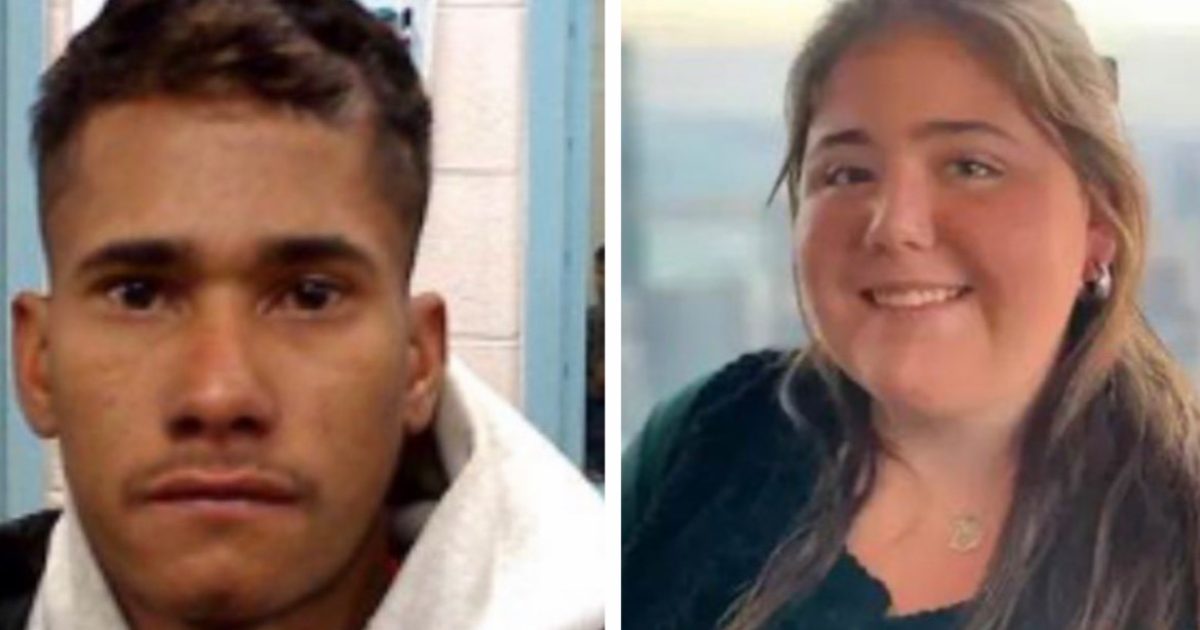
Jose Medina-Medina, the 25-year-old accused in the fatal shooting of 18-year-old Loyola University student Sheridan Gorman, appeared in court Friday as his attorney described a troubled medical and educational history. According to the defense, he is illiterate, has severe brain damage, and struggles with memory problems. The attorney said he attended school only until age seven in Venezuela and later suffered a gunshot wound to the head during a 2018 robbery while living in Colombia. Those claims do not change the central fact that a young woman is dead, and a family is grieving. They do, however, raise a hard question about how a man with such a history moved through multiple countries and multiple systems before this case reached a courtroom in Chicago.
Custody, Release, And The Usual Excuses
Medina-Medina is charged with first-degree murder, attempted murder, unlawful weapon possession, and aggravated discharge of a firearm. Prosecutors say he was arrested before and later released from local custody, which is the kind of public safety policy that tends to look wise only in press releases. His public defender is asking that he remain detained while the case moves forward, saying he could face ICE action if released. That request points to another familiar mess, where local sanctuary policies, federal immigration rules, and court procedure all collide while ordinary people are expected to trust the process. The process, as usual, seems less like a system and more like a shuffleboard table for bad outcomes.
A Family Left With Too Much Grief
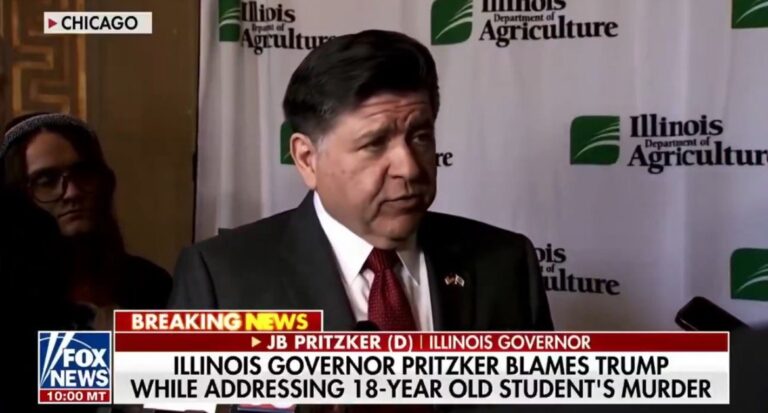
Gorman’s family said nothing in court changes the reality of losing their daughter, and they are right. No statement, no legal argument, and no public relations sprint from officials can undo what happened near campus. They asked how something like this could happen in a place where a young woman should have been safe, and that question lands harder than any political slogan. Illinois Governor JB Pritzker has blamed broader federal failures and immigration policy gaps, while critics point to local release practices and a justice system that seems to specialize in sorting blame after the fact. The victim’s family does not need a talking point. They need accountability that arrives before the next tragedy, not after it.
WE’D LOVE TO HEAR YOUR THOUGHTS! PLEASE COMMENT BELOW.


Leave a Comment