
Politics

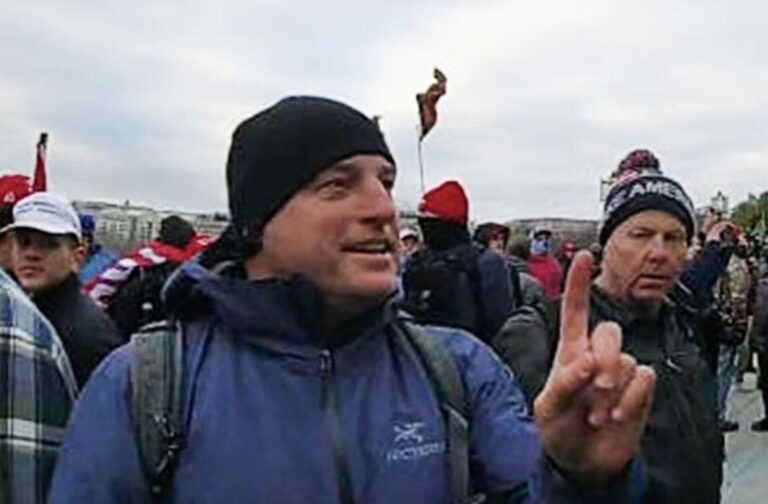
Deported Brit Praises Trump’s Immigration Push

A British man deported from the U.S. says he accepts responsibility and backs stronger enforcement. He describes his arrest, three weeks in a county jail, and a flight to London. His blunt take pokes at bureaucracy, activist interference, and the media spin around immigration.

AI Could Flip Political Power, Palantir Says

Palantir CEO Alex Karp told CNBC that AI may shift economic influence away from highly educated, largely Democratic voters and toward vocationally trained, working-class men. He warned the technology is risky but argued America must lead the race to avoid falling under rival rules.

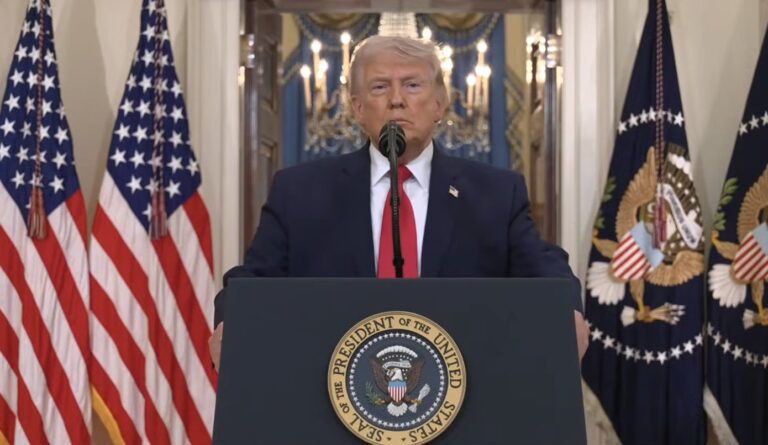
Trump Orders Massive 172 Million Barrel Release

President Trump has authorized a 172 million barrel draw from the Strategic Petroleum Reserve as part of a larger 400 million barrel international release aimed at easing energy prices. The move raises questions about timing, replacement claims, and how long any price relief will last.

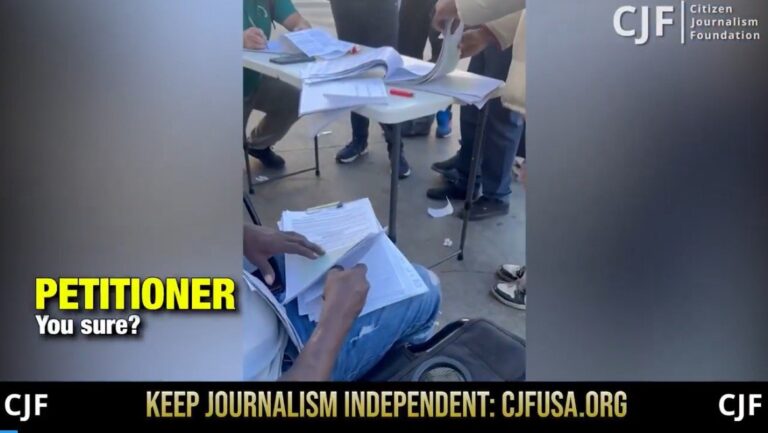
Paid Petition Lines Caught in San Francisco

A street videographer recorded people being paid $5 to sign ballot petitions in San Francisco. Video shows names and addresses being coached. Campaigns, a billionaire-funded PAC, and the Secretary of State are now involved.

Trump Endorses Jake Paul For Political Run

At a Kentucky rally, President Trump brought boxer and YouTuber Jake Paul on stage and said Paul should run for office, offering his full endorsement. Paul praised Trump and tied the moment to fights, factories, and media grievances.

Rightward Wave Hits Chile, Ecuador, Paraguay

Three conservative moves in Latin America made headlines this week. José Antonio Kast was sworn in as Chilean president, Ecuador announced a US-backed offensive against cartels, and Paraguay approved a defense deal allowing US forces on its soil.

Weinstein Claims #MeToo Was Money Grab

From Rikers, Harvey Weinstein tells a reporter that #MeToo became a hunt for payouts. He admits bad judgment, denies assault, and calls the fallout a purge. The interview raises questions about settlements, media narratives, and how institutions respond under pressure.