
Timeline in brief
From 2015 onward, U.S. policy toward Iran shifted from strict sanctions to stepped relief tied to the nuclear deal. That shift unlocked large sums of frozen money and led to several notable transfers. Critics say those transfers gave Iran resources it used across the region. Defenders say much of the money was meant for humanitarian needs and legal settlements. The basic facts are clear: major cash movements occurred, they were politically controversial, and they are still part of the debate over Iran’s behavior.
The 2015 deal and frozen assets
The Joint Comprehensive Plan of Action in 2015 removed many sanctions and allowed Iran access to assets that had been frozen overseas. Then President Obama estimated Iran could regain about $56 billion if it met its commitments. Administration officials argued the money would help ordinary Iranians. Skeptics warned that some of the funds could be diverted to hardline aims inside and outside Iran. That tension set the stage for later disputes about how the money was used and who controlled it.
The $400 million airlift and the larger settlement
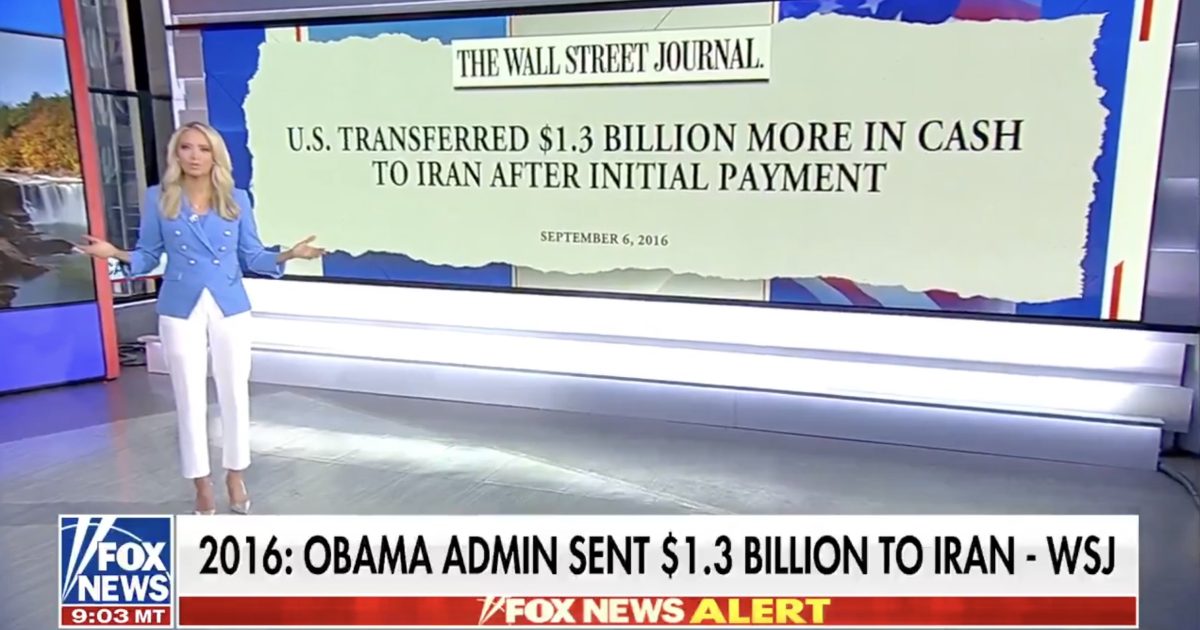
In January 2016, the United States transferred $400 million in cash to Iran on the same day several Americans were released from detention. The timing produced immediate questions about whether the payment was linked to the releases. Later reports showed additional payments, including roughly $1.3 billion tied to a long running arms claim, bringing the known total connected to that settlement to about $1.7 billion. U.S. officials denied a direct quid pro quo. Others said the combination of cash and settlement funds warranted closer scrutiny.
2023 access to frozen funds
The debate resurfaced in 2023 when the U.S. allowed Iran access to roughly $6 billion in frozen assets, with officials saying the money was restricted to humanitarian uses like medicine and food. The State Department described the funds as Iranian property subject to limited access. Iranian leaders publicly said they would decide how to spend the money. U.S. officials acknowledged longstanding Iranian financial support for proxy groups and terrorism, which added to concerns about whether any restriction could be enforced in practice.
Where the money went
Independent analysts and former officials say Tehran used state resources to back militias, expand its regional influence, and advance its nuclear program. Tehran denies funding terrorism in the way critics describe. There is also a policy contrast to note. The Trump administration withdrew from the 2015 deal and pursued maximum pressure, while earlier administrations pursued relief tied to compliance. The effect of those policy turns on Iran’s nuclear and military capabilities remains a central point of contention.
Accountability and the policy debate
Questions about transparency, oversight, and unintended consequences dominate the debate. Critics call for firmer controls and clearer public accounting of how any transferred funds are monitored. Supporters of past deals argue that diplomacy can limit nuclear danger and provide humanitarian relief, even if imperfect. The disagreement is real and it matters because it shapes U.S. options for pressure, negotiation, and regional security going forward.
WE’D LOVE TO HEAR YOUR THOUGHTS! PLEASE COMMENT BELOW.
WE’D LOVE TO HEAR YOUR THOUGHTS! PLEASE COMMENT BELOW.
WE’D LOVE TO HEAR YOUR THOUGHTS! PLEASE COMMENT BELOW.

Leave a Comment