
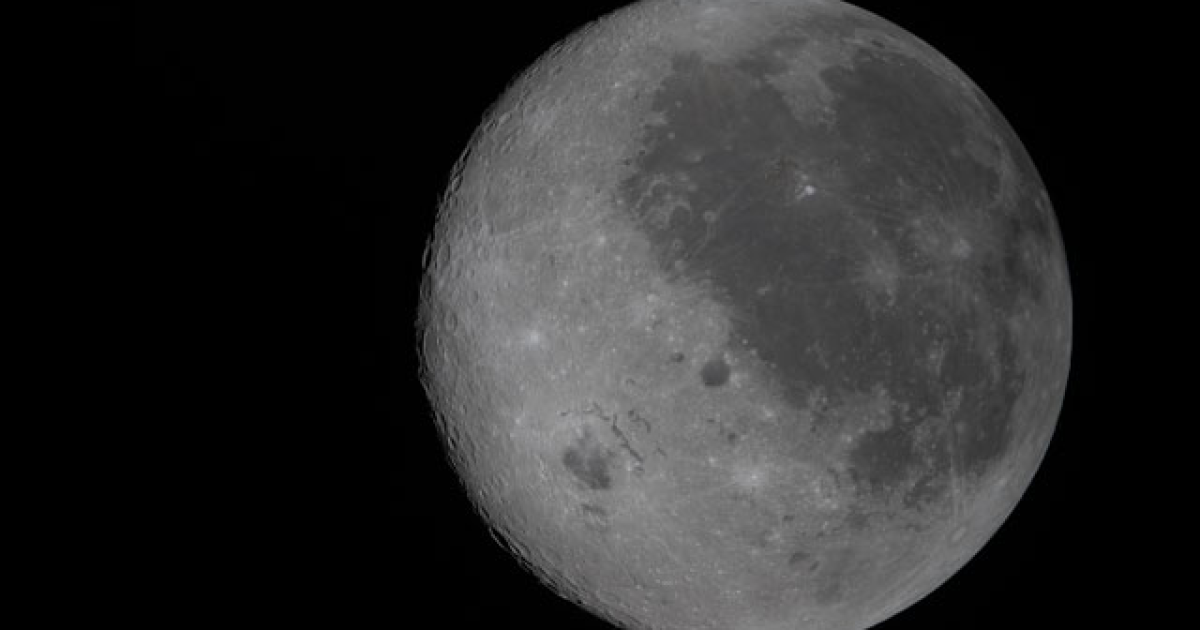
Moon Flyby Begins
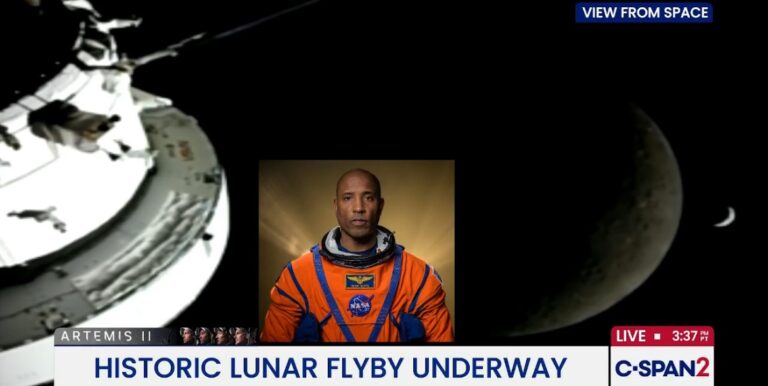
Artemis II has reached the main event of its flight: a close pass around the Moon that began around 2:45 p.m. ET and will last just over six hours. During that stretch, the crew is turning its windows toward the far side of the lunar surface and sending back views that no human crew has ever seen in quite this way. NASA is calling it a landmark, which is fair enough. When a machine and four astronauts are this far from home, the agency does not need to oversell the drama. The Moon handles that part just fine.
What The Crew Can See
The difference between Apollo and Artemis is not subtle. Apollo missions stayed much closer to the Moon, while Artemis II is flying between 4,000 and 6,000 miles away, giving the astronauts a full look at the far side under sunlight. That matters for science, but it also matters because human beings still like to stare out a window and feel small in the best possible way. The crew will spend the flyby photographing the surface and making direct observations, which is still a better research method than asking a committee to guess what happened from a slide deck.
A New Distance Record
The mission also set a new record for human travel from Earth. At its farthest point, Artemis II reached 252,752 miles from home, beating the Apollo 13 mark by about 4,102 miles. That makes these four astronauts the farthest any humans have ever traveled, at least until the next mission gets its turn at the scoreboard. NASA says the return trip will take four days, with splashdown expected in the Pacific Ocean around 8:07 p.m. ET on Friday. Space travel still has a habit of sounding like a miracle and a spreadsheet at the same time.
A Personal Moment In Orbit
The mission also included a quieter moment that stood out from the usual blast of agency pride. The astronauts suggested names for features tied to the Orion spacecraft, called Integrity, and to Commander Reid Wiseman’s late wife, Carroll. A lunar crater carrying her name is the kind of tribute that feels human, not corporate, which is rare enough in modern public messaging to merit a pause. NASA also shared a 2025 recording from Apollo 8 astronaut Jim Lovell, who told the crew, “Welcome to my old neighborhood.” That line has the right mix of history and understatement. It is also exactly the sort of thing space agencies love, because it sounds poetic without requiring a budget hearing.
NASA’s Broadcast Parade
Along with the mission updates, NASA pushed out a steady stream of visualizations and posts to help the rest of us keep up from the safety of Earth. If you want the agency’s own feed, here are the links it shared:
WE’D LOVE TO HEAR YOUR THOUGHTS! PLEASE COMMENT BELOW.
Leave a Comment