
What happened on the tarmac
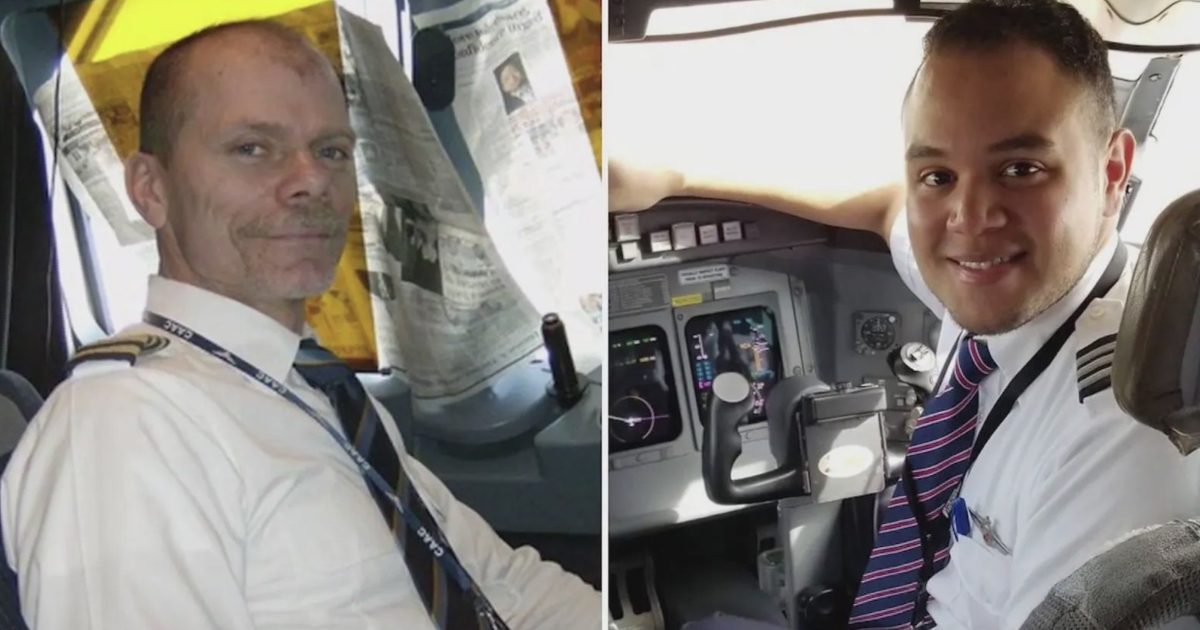
Two American pilots on a Gulfstream IV say they were met by soldiers instead of a fuel truck after landing in Conakry, Guinea for a scheduled refueling stop. Nearly 100 armed military personnel reportedly surrounded the jet, pointed weapons at the crew and detained the pilots on December 30, 2025. Guinean officials later accused them of entering airspace illegally and making an unauthorized landing. The pilots are Brad Schlenker, 63, from Illinois, and Fabio Espinal Nunez, 33, from New Jersey. The family who chartered the flight was Brazilian and headed to Dubai.
How a routine stop can go wrong
Charter flights sometimes rely on local handlers to arrange permits and fuel. Family sources say the crew believed the necessary paperwork had been handled on the ground. That claim raises a simple question. Was this a paperwork failure, or something more deliberate? Either way, the pilots say they followed air traffic control and filed requests to land. Airports and handlers in some countries run on different standards of red tape and habit. When those systems break down, pilots can be caught in the crossfire.
Prison conditions and consular access
Relatives describe overcrowded cells, dirt floors and sparse sanitation. They say prisoners rely on outside help for food and take turns sleeping. U.S. consular officers have visited the pilots multiple times since their detention, the State Department confirms. The department says it is providing consular assistance and remains in contact with the families. That is standard language from diplomats who want to show action while they quietly move through the legal channels available under international law.
Families plead for help and the political angle
The pilots and their families are asking for a stronger push from Washington. One of the pilots publicly appealed to former President Trump for intervention. When detentions involve U.S. citizens abroad, families often seek a high profile. That can speed things or make negotiations trickier. Publicity forces governments to explain themselves. It also forces U.S. officials to balance quiet diplomacy with political pressure coming from media and families.
What to watch next
Look for three moving parts. First, proof about whether permits and clearances were in order. Second, ongoing consular visits and any formal diplomatic notes from the U.S. Third, how Guinea pursues legal charges and whether it offers a route for appeal or transfer. If this is a paperwork error, expect a negotiated release once blame is sorted. If the state treats it as a breach of sovereignty, the case could drag on and become a diplomatic headache for both sides.
WE’D LOVE TO HEAR YOUR THOUGHTS! PLEASE COMMENT BELOW.

Leave a Comment