
What travelers are actually facing
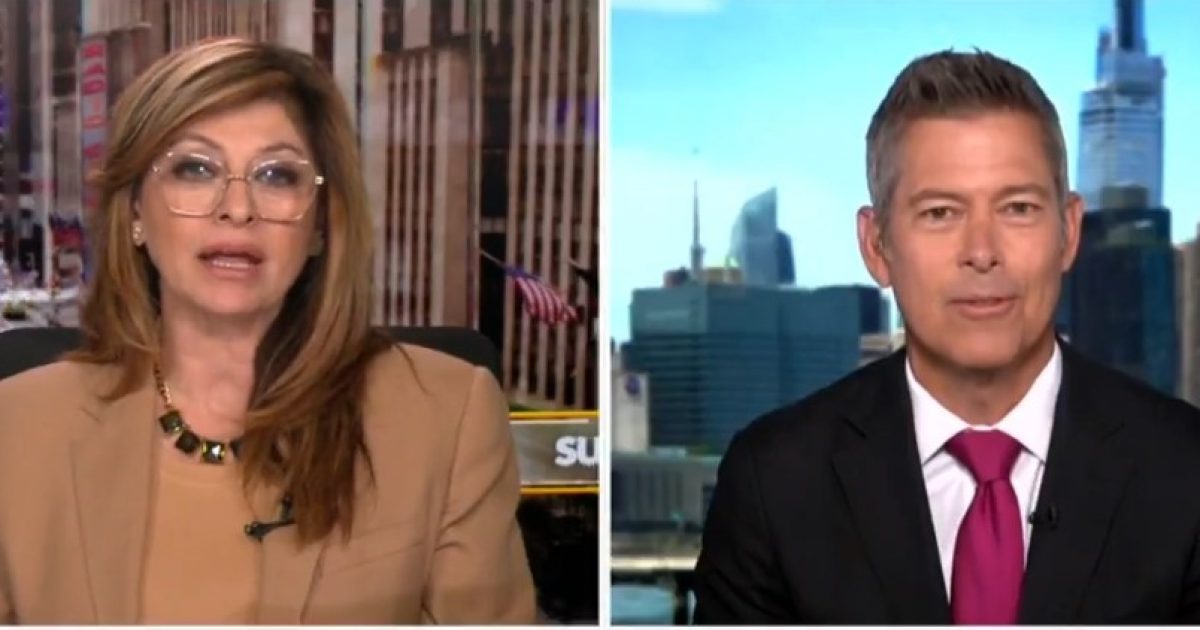
Flights are still flying. People just spend more time getting to them. Transportation Secretary Sean Duffy told Maria Bartiromo that some passengers are waiting one to four hours at checkpoints. That is the sort of time that makes you rethink a weekend trip. Airports are slower because there are fewer people behind the machines doing the checks. The experience is not only annoying. It can change travel plans, cut into business schedules, and make otherwise routine trips miserable.
Why TSA workers are leaving
Duffy said TSA staff missed a full paycheck and many simply had to find other work. He noted roughly 300 TSA agents resigned and callouts have doubled. When you do not earn much, skipping a paycheck is not academic. People take Uber shifts, wait tables, or find any steady money. That is basic economics, not a staffing memo. Bureaucracies can promise overtime and moral duty, but rent and groceries do not care about mission statements.
Safety or convenience which is impacted
The official line from Duffy is that security remains intact. Longer lines come from fewer screeners, not looser standards. Screening takes longer when there are fewer hands on deck. The aviation system depends on DHS, the FAA, and the Department of Transportation working together. If any link weakens, the chain slows. Even if the metal detector still beeps, longer lines reduce capacity and may push travelers to other modes of transport.
Politics entering the checkpoint
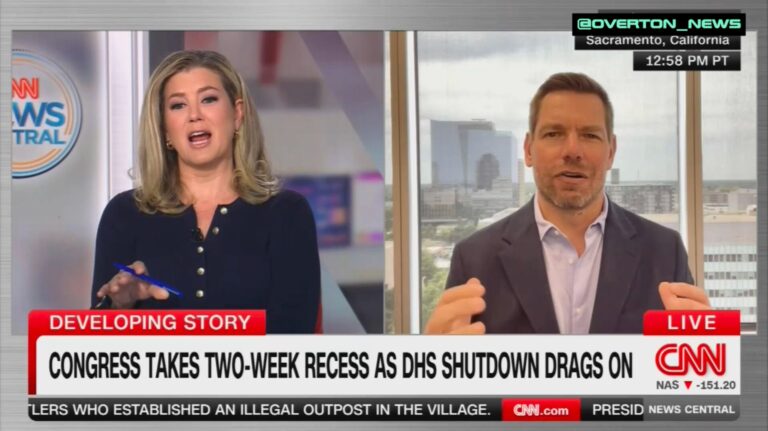
Politics is part of this script. Duffy accused Democratic leaders of using the DHS shutdown as leverage and claimed opponents want ICE agents unmasked. The argument is that making agents public could expose them to doxxing or harassment. Whether that is the motive or not, using personnel and public safety as bargaining chips is a classic Washington move. It is worth questioning motives when policy turns into political theater.
Long term staffing headaches
Short term pain can become long term damage. Once trained screeners leave, they do not come back on a whim. Recruitment and retraining take time and money. Duffy warned managers about the workforce question. Airlines and passengers do not want a future where more people choose not to fly because the airport is an exercise in patience. That is an economic hit that trickles through tourism, business travel, and local economies.
WE’D LOVE TO HEAR YOUR THOUGHTS! PLEASE COMMENT BELOW.
WE’D LOVE TO HEAR YOUR THOUGHTS! PLEASE COMMENT BELOW.
WE’D LOVE TO HEAR YOUR THOUGHTS! PLEASE COMMENT BELOW.

Leave a Comment