
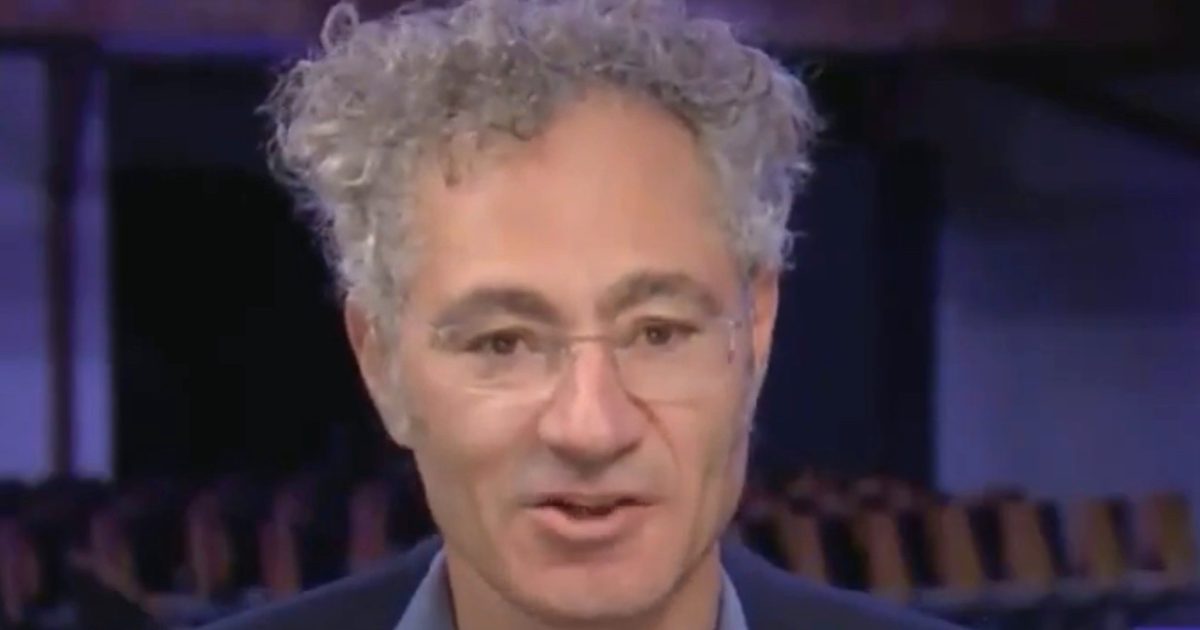
What Alex Karp Actually Said
In a CNBC interview, Palantir CEO Alex Karp argued that artificial intelligence will change who holds economic power. He said the tech hurts humanities-trained professionals, a group that tends to vote Democratic, and helps vocationally trained, working-class men. He called the technology dangerous, but said the only possible reason to push it is to avoid falling behind rivals like China. His view mixes a labor forecast with a national security argument.
Why That Might Matter
Jobs shape influence. If AI makes some white collar roles smaller and boosts hands-on technical work, the makeup of the workforce could change. That can shift which neighborhoods have more money, which issues get attention, and which politicians win local support. The claim is not about one election. It is about slow shifts in pay, prestige, and voting power that add up over years.
Who Palantir Is
Palantir builds data and AI platforms for governments and companies. The firm first became known for work with intelligence and defense agencies. It now sells software to healthcare, finance, manufacturing, and energy firms. The company was co-founded by Peter Thiel and sits at the intersection of national security and private tech. That background gives its CEO a platform and makes his warnings more than idle chatter.
The Risks Karp Pointed Out
Karp said the technology brings real dangers to society. He warned about disruption to jobs and social fabric. He also tied AI leadership to national security, arguing that if the U.S. does not lead, adversaries will set the rules. That argument turns a domestic economic risk into a geopolitical imperative. It is a tidy way to justify pushing hard on risky tech while asking the public to accept short term pain for long term strength.
Politics, Perception, and Power
Whether you buy Karp or not, his comments feed a larger debate. Corporations, bureaucracies, and media outlets will all spin this in their own favor. Activists will warn about job loss. Tech PR will promise retraining. The real question is who manages the transition. That choice will shape which communities gain from AI and which ones are left behind.
WE’D LOVE TO HEAR YOUR THOUGHTS! PLEASE COMMENT BELOW.


Leave a Comment