
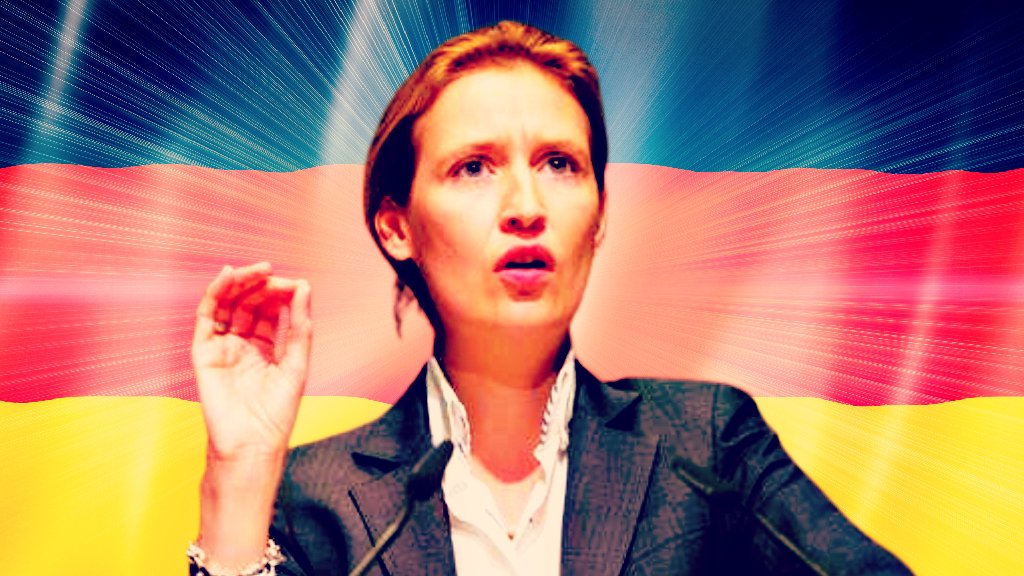
AfD’s Core Message: Restraint and Law
The Alternative for Germany, led in the Bundestag by Alice Weidel and Tino Chrupalla, has called for absolute restraint after recent US and Israeli strikes on Iran and Tehran’s retaliatory actions. Their public statement stressed protecting civilians and civilian infrastructure and called for full respect of international humanitarian law. The party frames its appeal not as sympathy for any regime but as a demand that combatants follow rules that limit suffering and avoid wider conflict.
Why Berlin Says This Matters for Europe
The AfD argues the main risk is spillover into Europe. It pointed to past crises that disrupted energy supplies, trade, and migration patterns and warned that fresh instability in the Middle East would harm German and European security and prosperity. The party’s message is defensive. It seeks to keep German interests and borders from being drawn into remote conflicts that have domestic consequences.
Split in Berlin: Coordination Versus Caution
Chancellor Friedrich Merz, standing with France and the UK, emphasized Western coordination and contact with partners including the United States and Israel. The AfD replied that coordination must not replace sober judgement about direct national interest. Other voices in Germany range from calls to celebrate the deaths of hostile leaders to appeals for urgent diplomacy at the UN. That mix shows how fractured German politics are on when and how to respond to military actions abroad.
Arms, Alliances, and Old Debates Reopened
Tino Chrupalla has repeatedly argued against German arms exports to parties in conflicts that do not serve direct German security. That position has returned to the fore as lawmakers revisit earlier controversies over arms to Israel and Ukraine. The debate shifts the question from moral support to cost and consequence: will further involvement reduce threats to Germany or simply import new ones?
Domestic Stakes: Energy, Migration, and Public Opinion
Germany has recent memories of how distant wars affected its economy and society. Energy shocks, higher prices, and refugee flows changed policy debates and voter priorities in the past decade. The AfD is using those memories to argue for caution. The party wants policies that prioritize steady supplies, secure borders, and predictable social conditions over rapid alignment in foreign military disputes.
What to Watch Next
Key indicators for escalation include strikes on maritime choke points, interruptions to oil shipments, and official commitments to deeper military support from NATO members. Watch also for diplomatic moves at the UN and bilateral contacts between Berlin and Washington. For now the AfD is staking out restraint as a practical position to limit risks to Germany, while other parties press for coordinated Western responses or harsher rhetoric toward Tehran.
WE’D LOVE TO HEAR YOUR THOUGHTS! PLEASE COMMENT BELOW.
Leave a Comment